Installing a water treatment system can feel like the end of a problem. The equipment is in place, the pipes are connected, the first glass of treated water tastes good, and you can finally stop thinking about it.
At least, that’s the hope.
In reality, installation is only the beginning of keeping a treatment system working properly. Like a furnace, refrigerator, or car, water-treatment equipment needs occasional attention. Filters fill up. Components wear. Settings can drift. Even a well-designed system won’t perform indefinitely without basic care.
The good news is that maintenance doesn’t have to become another major household chore. A little consistency can go a surprisingly long way.
Why Maintenance Is So Easy to Forget
Water treatment equipment tends to operate quietly.
You don’t see the filter working. You don’t hear the water moving through the membrane. Most days, you simply turn on the faucet and assume everything is fine.
That makes maintenance easy to postpone.
A homeowner might remember to change an air-conditioner filter because it’s visible and familiar. A water filter hidden beneath the kitchen sink? That’s another story.
Unfortunately, waiting until something goes wrong can reduce system performance and sometimes create additional problems. A simple maintenance schedule is usually a much better approach.
Filters Don’t Last Forever
Filtration media has a limited service life.
As a filter captures sediment, chlorine, or other substances, its capacity gradually decreases. Eventually, the filter may become restricted or simply stop performing as intended.
Regular filter replacement is therefore one of the most important parts of maintaining a filtration system.
The correct replacement interval varies considerably. Water quality, household consumption, filter type, system design, and manufacturer recommendations all matter.
Don’t rely only on a calendar. Changes in water taste, odor, flow rate, or appearance can also be useful clues.
Still, waiting for an obvious problem isn’t ideal. Keeping a record of when filters were installed makes the next replacement much easier to remember.
Installation Sets the Foundation
Maintenance begins before the first service visit.
A treatment system that’s poorly installed can develop problems that have nothing to do with the quality of the equipment itself. Incorrect connections, inadequate drainage, poor positioning, or insufficient water pressure can all affect performance.
That’s why professional installation can be a worthwhile investment.
An experienced installer can assess the existing plumbing, select an appropriate location, connect the equipment correctly, check for leaks, and configure the system according to its requirements.
This is particularly important for more complicated systems involving multiple filters, storage tanks, pumps, drain connections, or whole-house treatment.
Good installation doesn’t eliminate maintenance. It gives maintenance a better starting point.
Know What Your System Actually Does
One surprisingly common problem is that homeowners don’t know exactly what their treatment equipment is designed to accomplish.
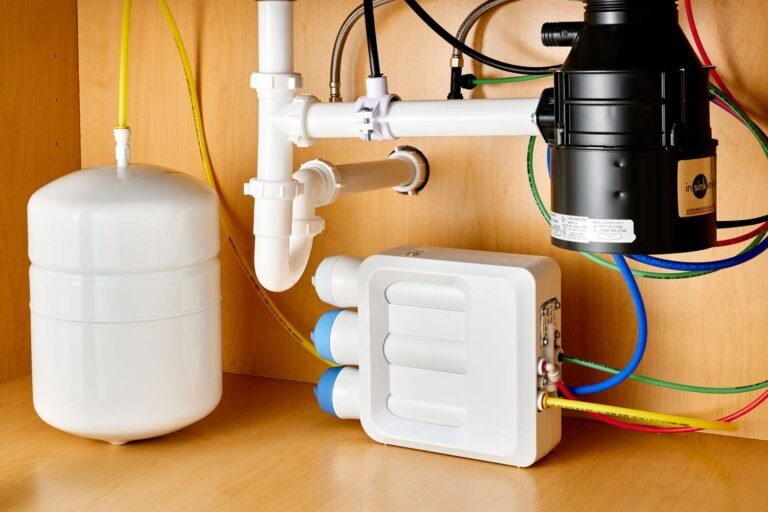
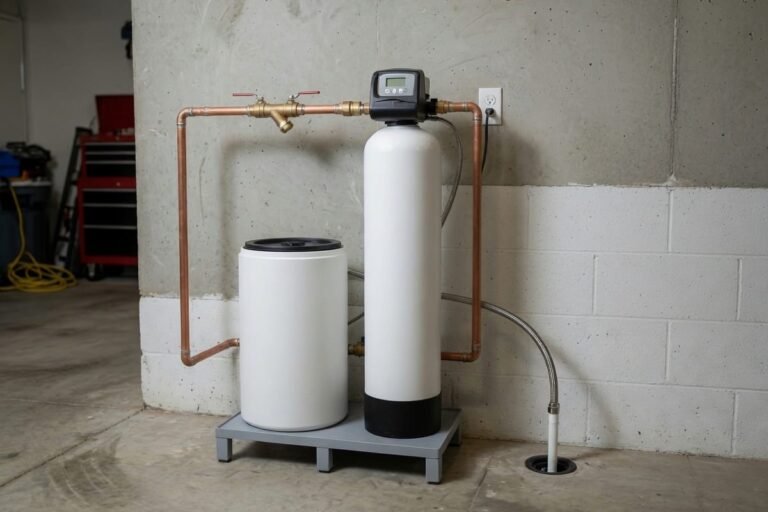
A water softener reduces hardness. Carbon filtration can address certain tastes and odors. Reverse osmosis can reduce many dissolved substances. UV systems are designed for microbial control.
These technologies aren’t interchangeable.
Knowing the purpose of each component helps you recognize when something isn’t behaving normally.
For example, if a softener is working properly but the water still has a chlorine taste, that doesn’t necessarily mean the softener has failed. It may simply be doing the job it was designed to do while another concern requires different treatment.
Understanding the equipment prevents unnecessary troubleshooting.
Watch for Changes in Flow
Water flow is one of the easiest things to notice when a treatment system starts having trouble.
A faucet that used to run quickly may suddenly feel sluggish. A reverse osmosis faucet may take longer to fill a glass. A shower may feel different.
Restricted flow can have several causes, including clogged filters, low pressure, damaged components, or plumbing problems.
Don’t automatically assume the filter is responsible. But if a filter hasn’t been replaced within its expected service interval, that’s a reasonable place to investigate.
Addressing a flow problem early may prevent the system from operating under unnecessary strain.
Taste and Odor Can Tell You Something
Your senses aren’t laboratory equipment, but they’re still useful.
If water suddenly tastes different after months of normal operation, pay attention.
A change in taste or odor may indicate that a filter needs attention, a treatment component isn’t functioning properly, or something has changed elsewhere in the water system.
It doesn’t automatically mean the water is unsafe. There can be many harmless explanations.
But a noticeable and unexplained change is worth investigating rather than ignoring.
If the change is sudden or significant, appropriate testing can provide more useful information than guessing.
Professional Service Has Its Place
Not every maintenance task requires a technician.
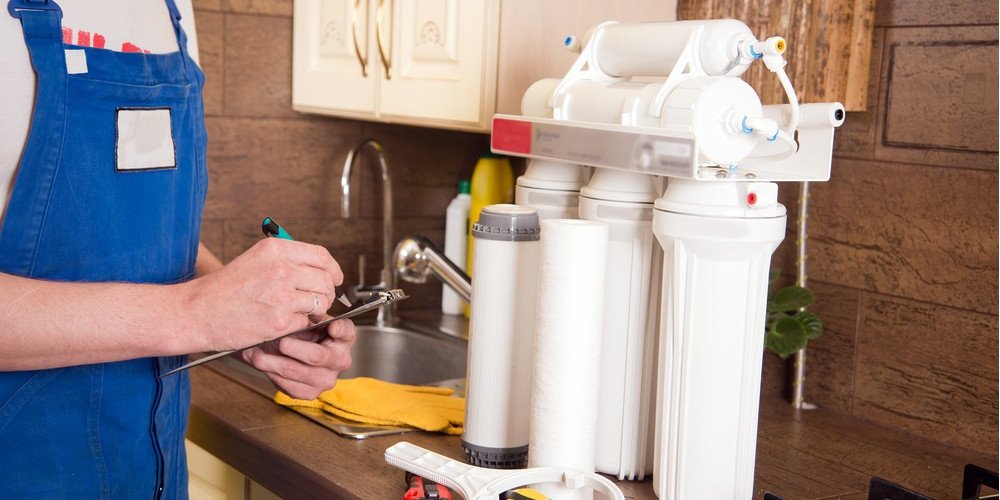
Replacing a cartridge filter, adding salt to a softener, or checking a basic setting may be straightforward for many homeowners.
Other jobs are better left to someone with the right experience.
Membrane replacement, valve servicing, leak diagnosis, pressure issues, electrical components, and complex plumbing connections can all require more specialized knowledge.
Professional service is especially useful when the system has stopped working properly and the cause isn’t obvious.
Trying to fix everything yourself can save money in some situations. In others, it can turn a small repair into a much larger one.
Know the difference.
Don’t Ignore the Manufacturer’s Recommendations
Every treatment system has its own requirements.
The manufacturer may specify filter replacement intervals, cleaning procedures, operating pressures, sanitization schedules, or recommended replacement parts.
Those instructions are worth keeping.
Online advice can be helpful, but generic recommendations don’t always apply to your particular equipment.
If you’ve lost the manual, check whether the manufacturer provides documentation online or ask your service provider for guidance.
A few minutes spent finding the right information can prevent a lot of guesswork.
Why Ongoing Support Can Be Valuable
Buying equipment from a company and never hearing from them again isn’t always the best experience.
Water treatment systems can last for years, and eventually you’ll probably have a question, need a part, or want someone to check the equipment.
Reliable ongoing support gives homeowners a place to turn when that happens.
Support may include routine service, troubleshooting, replacement parts, system inspections, water testing, or advice about changing household needs.
This is particularly useful if your water source changes or if you’re renovating and adding new fixtures or appliances.
The relationship shouldn’t end when the installer leaves.
Keep a Simple Maintenance Record
You don’t need a complicated spreadsheet.
A basic note on your phone can be enough.
Record the date filters were changed, when the system was serviced, any unusual symptoms, and when major components were replaced.
This small habit can make future maintenance much easier. If a technician asks when the membrane was last replaced, you won’t have to guess.
It can also help identify patterns. If the same issue keeps appearing every few months, that’s useful information.
Maintenance Is Really About Consistency
Water treatment isn’t one of those home improvements where you install something and forget it forever.
The systems are designed to make water better, but they still need care.
The most sensible approach is simple: install the right equipment, understand what it does, follow the recommended maintenance schedule, and pay attention when something changes.
You don’t need to become a water-treatment expert.
You just need to stay a little ahead of the problem.
A few minutes spent replacing a filter or checking equipment today can prevent poor performance, unnecessary expense, and frustrating surprises later.
Ultimately, good water treatment is less about having the most advanced equipment and more about keeping the equipment you have working the way it should. That’s not particularly glamorous — but when you turn on the tap and everything works exactly as expected, you’ll appreciate it.