There’s a reason reverse osmosis has become such a familiar name in home water treatment. The technology can remove many dissolved substances that ordinary filtration may leave behind, giving households another way to manage the quality of their drinking water.
But there’s another side to the conversation that doesn’t get quite as much attention: what happens after the water passes through the membrane?
RO-treated water can have a noticeably different taste because many naturally occurring minerals are reduced during treatment. Some people love the clean, light flavor. Others find it a little flat and prefer water with some mineral character.
That’s where remineralization comes in. Rather than treating water as something that only needs contaminants removed, a more balanced approach considers what you want the finished water to taste and feel like, too.
Reverse Osmosis Is About More Than a Filter
Reverse osmosis works differently from a basic sediment or carbon cartridge. Water is pushed under pressure through a semipermeable membrane, which can reduce a broad range of dissolved substances.
That makes RO useful for households dealing with specific water-quality concerns or simply wanting more extensive treatment at the kitchen sink.
Still, the membrane isn’t the whole story.
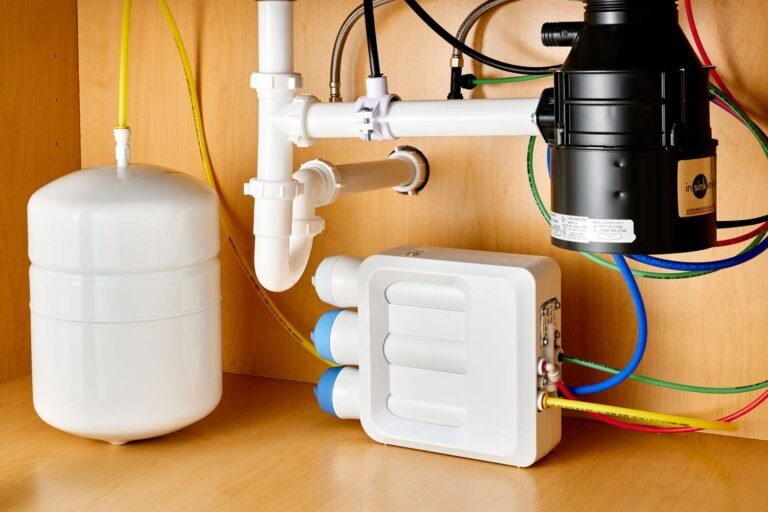
A well-designed system may include prefilters to protect the membrane, the RO membrane itself, and a post-treatment stage. Some systems also include storage tanks, dedicated faucets, pumps, or additional polishing filters.
This is why comparing RO systems based only on the membrane can be misleading. The surrounding components matter too.
Why Some People Prefer Remineralized Water
When reverse osmosis reduces dissolved minerals, the resulting water can taste different from untreated tap water.
Taste is subjective, of course. One person may describe RO water as wonderfully clean while another says it tastes “empty.” Neither person is necessarily wrong.
Minerals such as calcium and magnesium contribute to the character of water, even though drinking water isn’t normally a major source of these nutrients compared with food.
For households that prefer a more traditional mineral profile, alkaline treatment and remineralization can add selected minerals back into treated water and may also alter its pH.
The key is understanding what the system is actually doing. Remineralization isn’t simply a way to make water “healthier” by default. Its main practical appeal is often taste and water characteristics, while broader health claims should be approached carefully.
A Multi-Stage System Can Provide Several Layers of Treatment
If you’re looking for more than basic filtration, a multi-stage reverse osmosis system can combine several treatment steps in one setup.
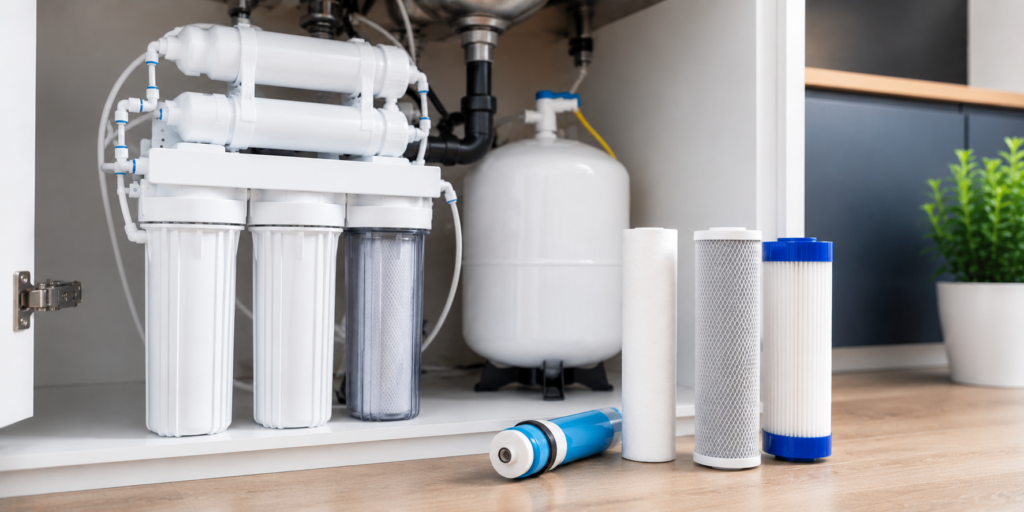
A typical arrangement may begin with sediment filtration, followed by carbon filtration, the RO membrane, and then a post-treatment stage. Depending on the product, additional stages may include remineralization or other specialized filtration.
Each stage has a job.
Sediment filtration can help protect downstream components from larger particles. Carbon filtration can target certain taste- and odor-causing compounds and help protect the RO membrane from chlorine in systems where chlorine is present. The membrane handles much of the dissolved-solids reduction, while post-treatment can polish the finished water.
The exact configuration varies, so don’t assume that a system with more stages is automatically better. The useful question is whether each stage has a purpose for your particular water.
Water Pressure Matters More Than People Expect
Reverse osmosis needs adequate pressure to work effectively.
If household water pressure is too low, the system may produce treated water more slowly and operate less efficiently. Some homes may benefit from a booster pump, depending on the system design and incoming pressure.
This is one reason professional installation can be worthwhile.
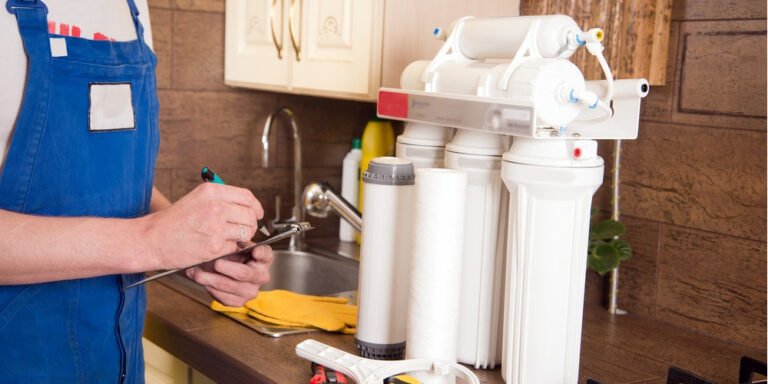
A technician can evaluate the available space, plumbing connections, pressure, drainage requirements, and placement of the storage tank or equipment.
A system that looks perfect on a product page may not be the perfect fit for your actual kitchen.
Don’t Forget the Wastewater
One trade-off associated with many traditional RO systems is wastewater.
Reverse osmosis separates water into a treated stream and a reject stream carrying concentrated dissolved substances away from the membrane. The amount of wastewater varies by system design, water pressure, membrane condition, temperature, and other factors.
Modern systems can be designed to improve efficiency, so it’s worth asking about the recovery or wastewater ratio before purchasing.
This is especially relevant for households trying to reduce unnecessary water use.
If sustainability is important to you, don’t overlook this detail while comparing systems.
Maintenance Keeps the System Working Properly
RO equipment isn’t maintenance-free.
Sediment and carbon prefilters need replacement at appropriate intervals. The membrane has a longer service life but eventually needs replacement as well. Post-filters and remineralization cartridges also have limited working lives.
The exact schedule depends on the system and incoming water conditions.
One useful habit is to write the installation date on replacement cartridges or keep a simple note in your phone. It takes almost no effort, and it prevents that familiar “When did I last change this?” problem.
Ignoring maintenance can affect water flow, taste, and treatment performance.
Drinking Water Treatment Doesn’t Have to Mean Treating Everything
Many homeowners assume that if they want better drinking water, they need to install treatment equipment for the entire house.
Not necessarily.
Point-of-use treatment can focus on the water you actually consume. An under-sink RO system, for example, can provide treated water at a kitchen faucet without treating every shower, toilet, and laundry load.
That can make sense when the main objective is drinking and cooking water.
On the other hand, whole-home filtration may be more appropriate when there are concerns affecting water throughout the property.
The decision should be based on the problem you’re trying to solve rather than the size of the equipment.
Testing Should Come Before Big Decisions
Before selecting treatment technology, find out what you’re working with.
Municipal water customers can review their local water-quality reports and consider additional testing when there is a specific concern. Private-well owners should pay particular attention to routine testing because groundwater conditions can vary.
Testing can identify hardness, dissolved substances, and other characteristics that may influence treatment choices.
Without that information, it’s easy to spend money on equipment simply because it sounds advanced.
Good water treatment starts with good information.
What Should You Look for in a System?
When comparing RO equipment, consider more than the number of filtration stages.
Look at the system’s certified or independently verified performance where applicable. Check its flow rate, storage capacity, pressure requirements, filter replacement schedule, wastewater ratio, installation needs, and long-term operating costs.
Also think about your family’s water consumption.
A couple living in a small apartment has different requirements from a busy household with several people filling bottles throughout the day.
Convenience matters as well. Replacement cartridges should be reasonably accessible, and the system shouldn’t be so complicated that routine maintenance becomes a dreaded weekend project.
The Role of Taste Shouldn’t Be Ignored
Water quality isn’t purely a technical subject. People have preferences.
If your drinking water tastes unpleasant, you’re less likely to drink it. If the water tastes fresh and appealing, filling that reusable bottle becomes an easy habit.
That’s one reason remineralization can be attractive after RO treatment. It can adjust the finished water’s taste and mineral character to better suit personal preference.
Just don’t confuse taste with proof of purity. Pleasant-tasting water isn’t automatically safer, and unpleasant-tasting water isn’t automatically unsafe.
Testing and verified treatment performance remain the better measures.
Choosing the Right Drinking Water System
There are plenty of drinking water systems on the market, from simple carbon filters to sophisticated RO setups with multiple treatment stages.
The right one depends on your water, your household, your budget, and what you actually want to improve.
If your primary issue is chlorine taste, you may not need RO. If testing identifies dissolved contaminants that require more extensive treatment, reverse osmosis could be worth considering. If you already use RO and dislike the taste, a remineralization stage may be a practical addition.
There isn’t a universal winner.
The smartest approach is to test first, understand the treatment technology, and then choose equipment that fits the real situation.
Good drinking water treatment shouldn’t feel like a science experiment taking over your kitchen. Done properly, it becomes something much simpler: reliable water, a taste you enjoy, and a system you can maintain without thinking about it every single day.