Water is one of those things you rarely think about when it’s doing its job. You turn on the faucet, fill a glass, wash the dishes, take a shower, and move on with your day. It becomes noticeable when something changes — spots on the shower door, scale around the faucet, an odd taste, or an appliance that seems to need cleaning more often than it should.
Those little signs can be frustrating, but they can also tell you something useful about your home’s water.
The trick is not to jump straight into buying equipment. Start by understanding the water itself. Once you know what’s actually happening, choosing the right treatment becomes much easier, and usually a lot less expensive than guessing.
Begin With the Water You Have
Every home has its own water story. Municipal supplies are treated before reaching the property, while private wells can have naturally occurring minerals and other characteristics that vary from one location to another.
Even within the same neighborhood, water conditions can differ.
That’s why testing is such a sensible first step. A basic analysis can provide information about hardness, iron, sediment, pH and other characteristics that may influence treatment.
It also helps separate a real water-quality concern from something that simply looks unpleasant. Not every stain means contamination, and not every unusual taste requires a complicated filtration system.
Good treatment starts with good information.
Understanding Hard Water
Hard water is one of the most common household complaints. Calcium and magnesium are naturally occurring minerals, and when they’re present at higher levels, they can leave deposits throughout a home.
Water softeners are designed to address hardness by reducing calcium and magnesium through an ion-exchange process.
The difference can be noticeable in everyday life. Soap may rinse more easily. Shower glass can develop fewer mineral spots. Faucets may stay cleaner, and scale buildup inside certain appliances can be reduced.
But a softener isn’t a universal water purifier. It has a specific job, and that’s actually a good thing. Choosing equipment designed around an identified problem is generally more practical than trying to make one system handle everything.
Why System Size Matters
A water softener needs to match the household using it.
A small family with modest water consumption doesn’t necessarily need the same capacity as a large household with several bathrooms. Water hardness also affects how often the system needs to regenerate.
If equipment is undersized, it may struggle to keep up with demand. If it’s oversized, the homeowner may spend more money than necessary on equipment and operating costs.
Professional sizing should consider household water use, hardness levels and the specific system design. It may not be the most exciting part of shopping for water treatment, but it can make a big difference over the long term.
Drinking Water Is a Separate Consideration
Whole-house water treatment and drinking-water treatment don’t always have to be identical.
Some homeowners are perfectly happy treating the entire home’s water for hardness or other concerns while adding another layer of filtration specifically for drinking and cooking.
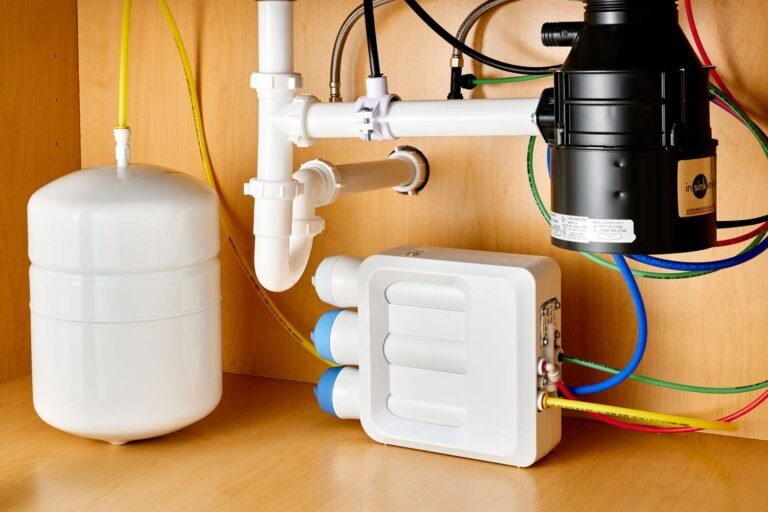
This is where reverse osmosis drinking water can be useful. Reverse osmosis uses pressure to move water through a semipermeable membrane, reducing many dissolved substances. A properly designed system can be installed at a kitchen sink and provide treated water for drinking, cooking, coffee and other everyday uses.
It isn’t necessary for every home, though. The incoming water should be tested first, and the system should be selected according to the actual treatment goal.
Don’t Forget Taste and Odor
Taste and odor can be among the most noticeable water complaints, even when laboratory results don’t show a major problem.
Chlorine, naturally occurring compounds and certain minerals can influence how water smells or tastes. Carbon filtration is commonly used for some of these concerns, but the right treatment depends on the cause.
For example, a metallic taste may point toward minerals such as iron, while a sulfur-like odor can have a completely different source.
The important thing is to investigate rather than simply masking the symptom.
When Whole-Home Treatment Makes Sense
If water-quality issues affect every faucet, shower and appliance, treating only the kitchen sink may not be enough.
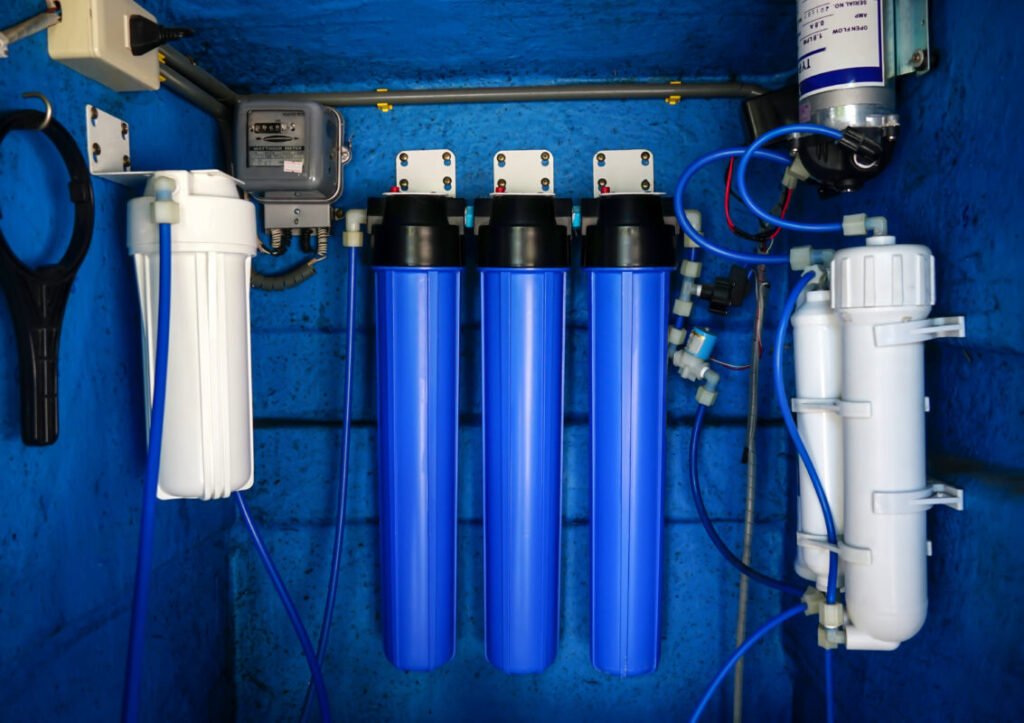
A whole home water treatment approach can address water as it enters the property, depending on the equipment selected and the problems being targeted.
This can be particularly useful when homeowners are dealing with hardness, sediment, iron or other concerns that affect the entire plumbing system.
However, whole-home treatment shouldn’t mean installing every technology available. A good system is designed around the water conditions. Unnecessary equipment creates additional maintenance, expense and complexity without necessarily providing a better result.
Well Water Needs Special Attention
Private well owners have another responsibility: keeping track of the water supply themselves.
Well water can contain naturally occurring minerals, sediment, iron, manganese, sulfur compounds and microorganisms, depending on local conditions.
The water may look completely clear and still have characteristics worth testing.
Routine testing is therefore a smart habit. If the taste, color or odor changes suddenly, investigate rather than assuming the treatment equipment is failing.
Sometimes the water source has changed. Sometimes a component needs service. And occasionally, the problem has nothing to do with treatment equipment at all.
Think About Your Appliances
Water quality affects more than what comes out of the kitchen faucet.
Water heaters, dishwashers, washing machines, coffee makers and other appliances all interact with the water supply. Scale can build up in equipment that heats water, while sediment can collect in filters, valves and other components.
Managing the water entering the home may help reduce these problems and make routine maintenance easier.
It’s not a guarantee that appliances won’t fail — nothing is. But reducing avoidable mineral buildup can be one useful part of protecting expensive household equipment.
Maintenance Is Part of the Purchase
A treatment system isn’t something you install and forget forever.
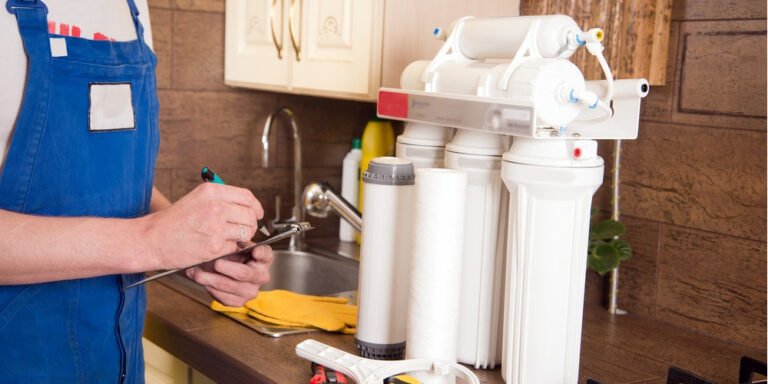
Filters need replacement. Softener systems need appropriate salt levels and periodic service. Reverse osmosis membranes eventually need attention. Tanks, valves and connections may also need inspection.
Before buying a system, ask what maintenance it requires and how often. Find out what replacement parts cost and whether service is readily available.
A system that looks inexpensive initially may not remain inexpensive if replacement components are difficult to find or professional service is complicated.
Don’t Let Marketing Make the Decision
Water treatment companies may offer impressive-sounding technologies, but homeowners should focus on results rather than buzzwords.
Ask what the equipment is designed to remove or reduce. Ask whether testing supports the recommendation. Ask how much maintenance is required. And ask what happens if the system needs repair.
A trustworthy recommendation should be understandable. You shouldn’t need a chemistry degree to know why you’re being asked to spend thousands of dollars.
The Best System Is the One That Fits Your Home
There isn’t a single water-treatment setup that’s perfect for everyone. That’s actually good news.
It means you can build a solution around your home’s real needs instead of paying for equipment you don’t need.
Start with testing. Understand the water source. Identify the problems that matter most. Then consider whether softening, drinking-water filtration, whole-home treatment or a combination of approaches makes sense.
The goal isn’t to create the most complicated water system possible. It’s to make everyday water more dependable, more pleasant and easier to manage.
When the right equipment is properly sized, installed and maintained, you may hardly notice it working. And that’s a pretty good measure of success — fewer water-related frustrations, better-performing fixtures and appliances, and one less household problem competing for your attention.