Water treatment sounds simple until you start looking at the options. Suddenly there are filters, membranes, softeners, ultraviolet lights, cartridges, tanks, and a whole alphabet soup of technical terms. It’s enough to make a homeowner wonder whether improving water quality is going to become a weekend research project.
It doesn’t have to.
The most useful approach is to begin with a simple question: what do you actually want to improve? Maybe the water tastes fine, but leaves stubborn mineral spots. Maybe there’s an odd smell after a change in the municipal supply. Perhaps the water comes from a private well and has characteristics that need more careful attention.
Once the problem is clear, choosing treatment becomes much less confusing.
Start With What Your Water Is Telling You
Clear water isn’t necessarily problem-free water, and cloudy water isn’t automatically dangerous. Appearance can provide clues, but it doesn’t tell the whole story.
A water test can reveal characteristics that aren’t visible at the tap. Hardness, pH, dissolved minerals, chlorine, iron, sediment, and other factors can influence which treatment technology is appropriate.
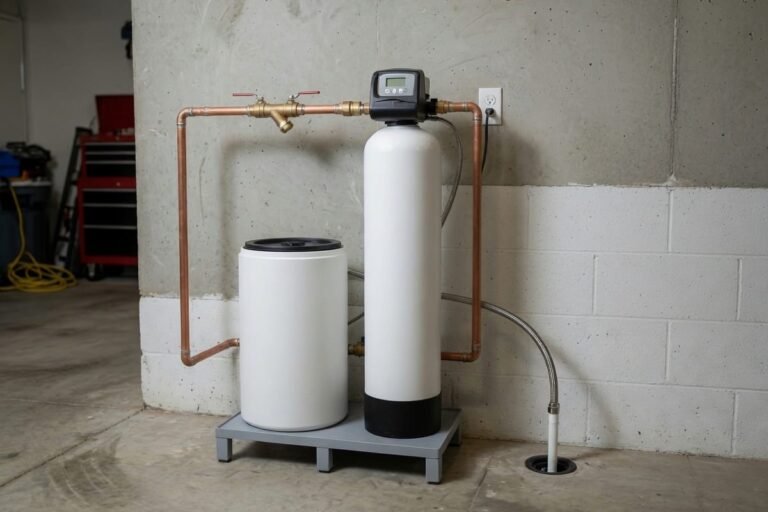
This is particularly important because treatment equipment is designed for specific purposes. A softener isn’t a sediment filter. A carbon filter isn’t designed to handle every dissolved contaminant. And an ultraviolet system works differently from both.
Testing first helps prevent the classic mistake of buying equipment because it sounds useful rather than because it solves a documented problem.
When Standard Filtration Isn’t Quite Enough
Some homes have fairly straightforward water concerns. Others don’t.
If your water has a specific characteristic that ordinary filtration doesn’t adequately address, specialty filtration systems may be worth exploring. These can be designed around particular water-quality challenges and may use specialized media or treatment technologies.
The important thing isn’t choosing the most complicated system available. It’s choosing technology that matches the issue.
For example, a home dealing with a particular contaminant may require a treatment method specifically designed to reduce it. Trying to solve that problem with a general-purpose filter could waste both time and money.
This is why a professional assessment can be useful when water conditions are unusual or difficult to diagnose.
Filtration Isn’t a One-Time Purchase
Once a treatment system is installed, the job isn’t completely finished.
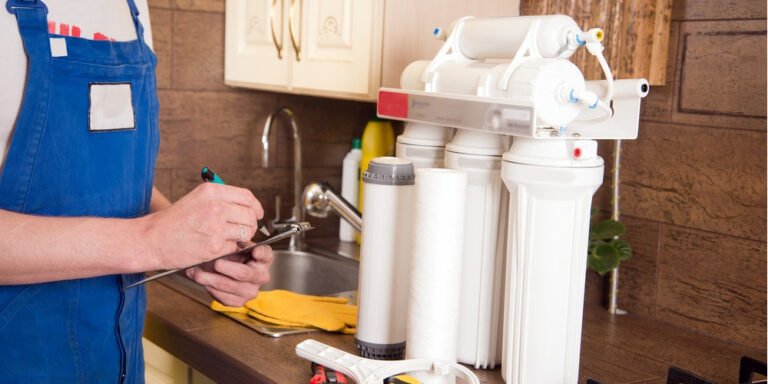
Filters gradually collect or adsorb the substances they’re designed to reduce. At some point, they reach their useful capacity and need replacement. Waiting until water quality noticeably changes isn’t always the best strategy.
Depending on the equipment, maintenance may include cartridge changes, membrane replacement, cleaning, sanitization, or inspection of other components.
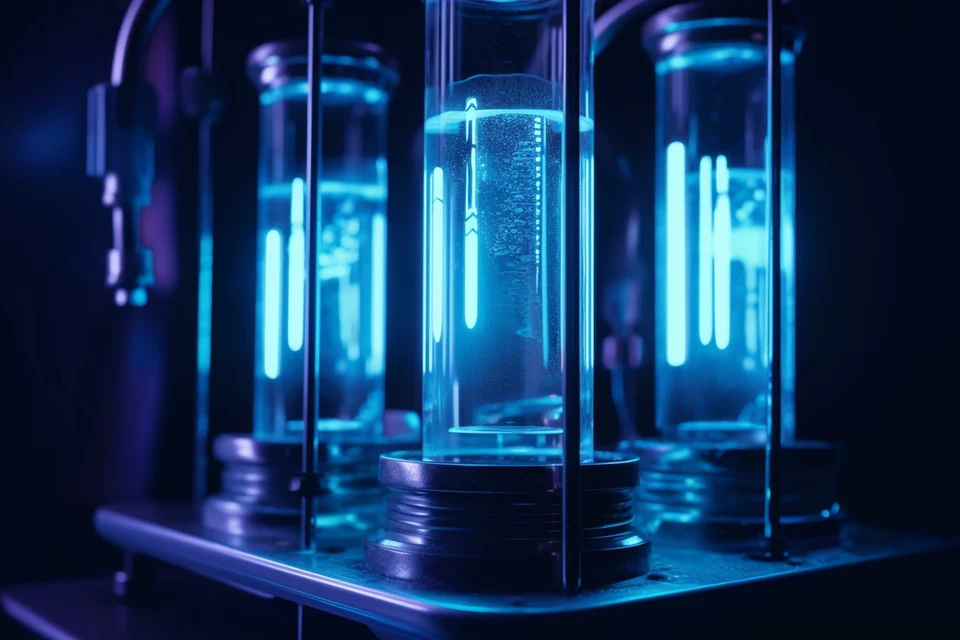
Ultraviolet systems have an additional consideration: the lamp.
An ultraviolet lamp can continue glowing even when its effectiveness has declined. That’s why filter/uv lamp replacement should be handled according to the manufacturer’s recommended schedule rather than simply waiting for an obvious sign that something is wrong.
A little routine care helps keep the treatment process dependable.
UV Treatment Has a Particular Role
Ultraviolet treatment is different from filtration technologies that physically remove particles or reduce dissolved substances.
UV systems use ultraviolet light as part of a disinfection process. They are often considered for homes where microbiological treatment is a concern, particularly with certain private-water supplies.
But UV treatment isn’t a catch-all solution. It doesn’t remove hardness, improve every taste or odor issue, or eliminate dissolved minerals.
Water entering a UV system may also need appropriate pretreatment because excessive turbidity or other conditions can interfere with effective disinfection.
The lesson here is pretty simple: technologies work best when they’re used for the job they’re designed to do.
Pay Attention to Flow and Household Demand
A filter can be excellent on paper and still be frustrating if it isn’t appropriate for the household.
Consider how much water your home uses at busy times. What happens when someone is showering while the dishwasher is running and another person starts a washing machine?
Treatment systems have flow-rate limitations. If equipment is undersized, pressure and water availability can become noticeable during periods of heavy demand.
Larger households should pay particular attention to system capacity. Even smaller homes need to consider peak usage if several fixtures are commonly used at once.
It isn’t just about the number of people living there. Daily habits matter, too.
Installation Can Make or Break the Experience
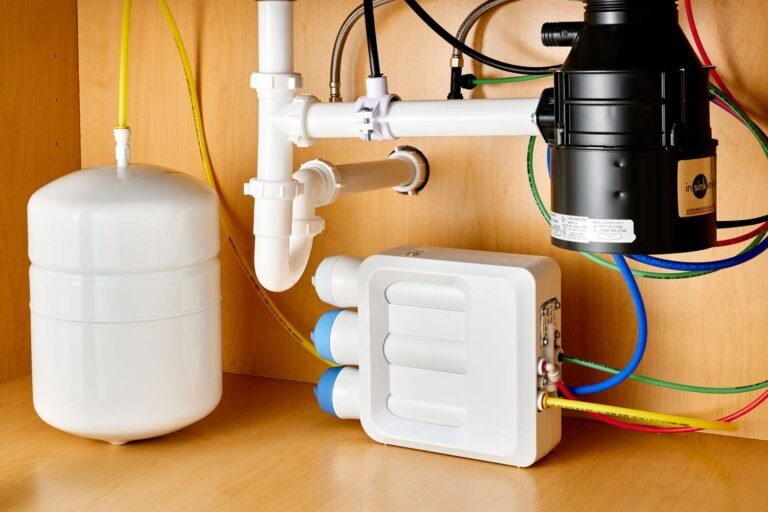
Treatment equipment needs to become part of your home’s plumbing system, not simply sit beside it.
Correct installation involves more than connecting pipes. Water pressure, flow direction, drainage, shutoff valves, electrical requirements, and access for future maintenance all deserve consideration.
The location matters as well. A system placed somewhere cramped or difficult to reach may technically work, but every future filter change becomes a nuisance.
Professional installation can help ensure the equipment is correctly configured from the beginning. It also gives homeowners an opportunity to learn basic operation before they’re left to figure everything out themselves.
Keep an Eye on Water Quality After Installation
Installing treatment equipment doesn’t mean you never need to test the water again.
Periodic water quality checks can help confirm that the system continues to perform as intended, especially when water conditions change or equipment has been in service for a long time.
This can be particularly useful for private wells, where seasonal conditions may influence water quality. Even municipal supplies can experience changes, so unusual tastes, odors, discoloration, or other changes shouldn’t simply be ignored.
Testing provides information. Information makes maintenance decisions easier.
And sometimes the results may show that the existing treatment system is working perfectly. That’s useful to know, too.
Don’t Forget the Rest of the Plumbing
Water quality isn’t determined solely by the treatment equipment.
Your home’s pipes, water heater, faucets, storage tanks, and other plumbing components can influence what eventually comes out of the tap.
For example, sediment or corrosion from older plumbing may create issues after the water has already passed through a treatment system.
If a problem appears only at one faucet, that’s an important clue. It may point toward a local plumbing issue rather than a whole-house water-quality problem.
Paying attention to where the issue occurs can save a lot of unnecessary equipment changes.
Good Treatment Should Fit Into Your Routine
The ideal water treatment system shouldn’t make daily life harder.
You shouldn’t need to think about it every time you turn on a faucet. Once properly selected, installed, and maintained, it should quietly support the household in the background.
That means considering maintenance before buying. If filter changes are difficult, the equipment is buried behind storage boxes, or replacement parts are hard to obtain, even a technically capable system can become frustrating.
Convenience matters because the best-maintained system is usually the one people can realistically keep up with.
Make the Decision With a Long-Term View
Water treatment isn’t about chasing the newest technology. It’s about solving a real problem in a sensible way.
Test your water. Identify the main concern. Choose a treatment method designed for that concern, then make sure the equipment is correctly sized and professionally installed when appropriate.
After that, stay aware of maintenance. Replace filters and lamps when required, watch for changes in taste or flow, and reassess the system if your household or water source changes.
A good treatment setup should provide confidence without becoming another complicated household responsibility.
In the end, better water isn’t necessarily about having more equipment. Sometimes it’s about having the right equipment, installed thoughtfully and maintained consistently. That’s a much simpler goal — and usually a more useful one, too.