Most homeowners don’t think much about a water filter when everything is working properly. You turn on the faucet, fill a glass, make coffee, wash vegetables, and get on with your day. That’s exactly how it should feel.
The problem is that filtration equipment can quietly become less effective over time. A cartridge reaches the end of its useful life. Water pressure drops. An odd taste returns. Maybe you notice a faint odor that wasn’t there a few months ago.
These changes are easy to ignore because they usually happen gradually. Yet a filtration system is only useful when it’s maintained properly. Taking a little time to understand how your system works, what it can handle, and when it needs attention can make a noticeable difference.
Start With the Reason You Installed It
Every water treatment system should have a clear purpose.
Perhaps your household wanted to reduce chlorine taste. Maybe hard water was causing scale, or a water test identified a particular substance you wanted to reduce. Understanding that original goal makes it easier to recognize when the system isn’t performing as expected.
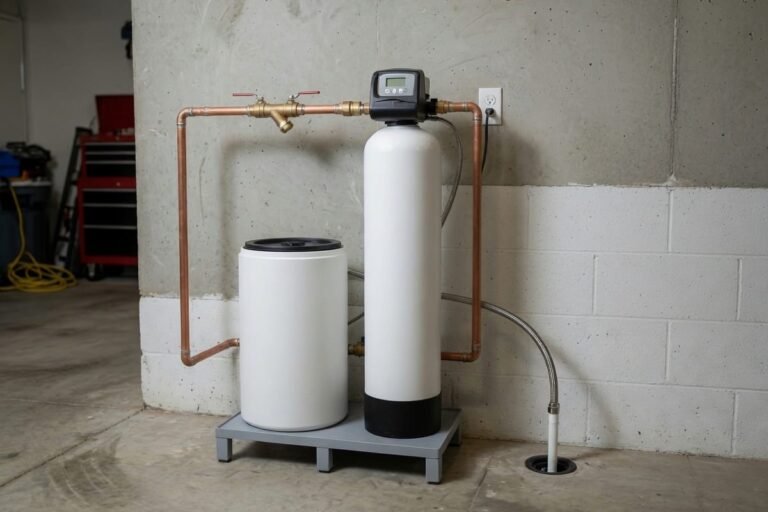
A filter designed primarily for taste and odor, for example, isn’t automatically a solution for every water-quality concern. Likewise, a softener addresses hardness rather than serving as a universal purifier.
Before changing equipment, remind yourself what the system was actually designed to do.
Filter Replacement Is Part of Ownership
One of the simplest maintenance tasks is also one of the easiest to forget.
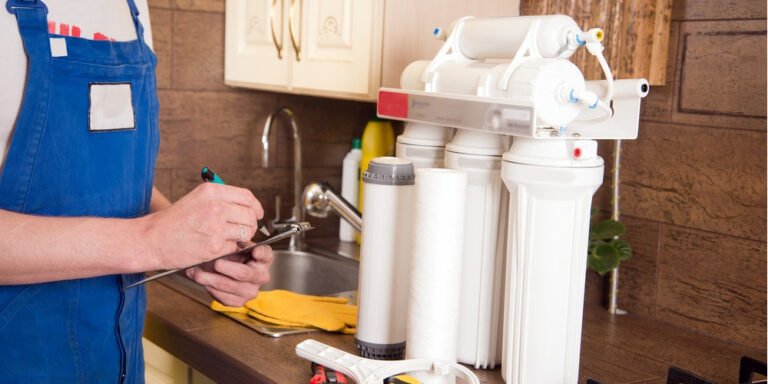
Filter replacement needs to happen at the appropriate interval because filtration media doesn’t last forever. As a cartridge collects particles or adsorbs certain compounds, its capacity gradually decreases.
Manufacturers usually provide replacement guidelines based on time, water usage, or both. Those recommendations are useful starting points, but actual filter life can vary.
A household with heavy water use may go through cartridges faster than a small household. Water with high sediment levels can also shorten the useful life of a filter.
Don’t wait for a complete loss of water flow before thinking about replacement. Set a calendar reminder and keep a simple record of when each cartridge was installed.
Pay Attention to Changes in Water
Your senses can provide useful clues.
If your water suddenly tastes different, smells unusual, or has a noticeable change in clarity, don’t simply assume the filter is still doing its job.
Sometimes the cause is as simple as an overdue cartridge. Other times, the source water itself may have changed.
A sudden change is worth investigating, especially if it persists after routine maintenance. For private wells, periodic testing can be particularly important because groundwater conditions can vary over time.
The goal isn’t to become paranoid about every unusual taste. It’s simply to notice when something changes.
Water Purification Isn’t One Single Process
People often use the phrase water purification as if it describes one particular technology. In reality, purification can involve several different treatment methods.
Activated carbon can reduce certain tastes and odors. Sediment filtration can capture suspended particles. Reverse osmosis can reduce many dissolved substances through membrane treatment. Ultraviolet systems can be used for microbial control in appropriate applications.
Each method has strengths and limitations.
This matters when you’re evaluating equipment because no system should be expected to remove everything. A filter should be selected according to the specific water concerns it is designed to address.
Understanding Reverse Osmosis
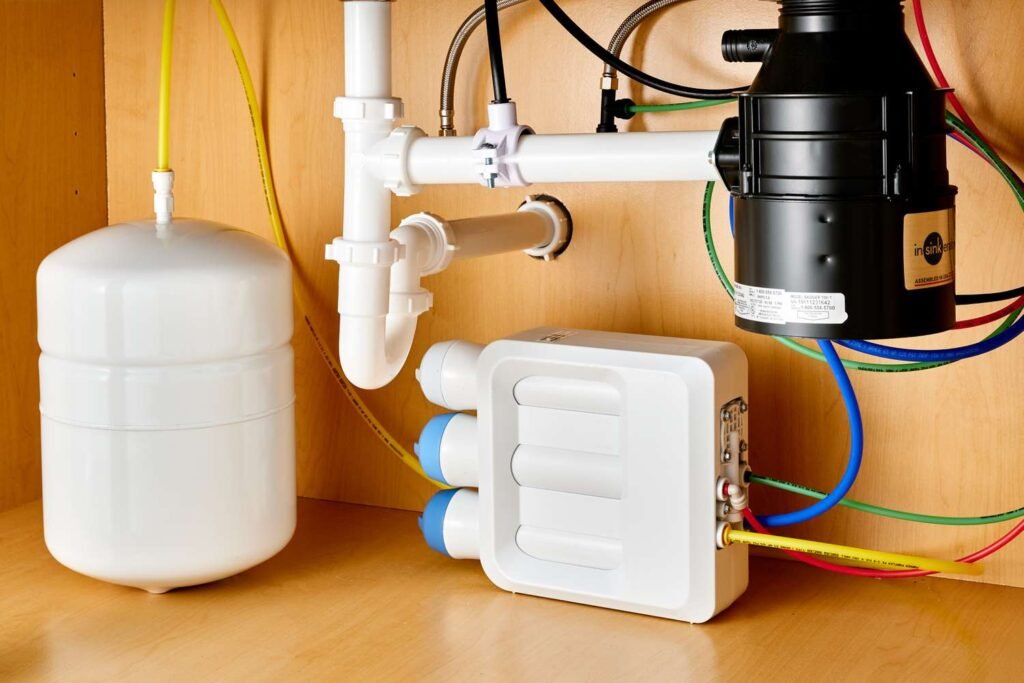
A reverse osmosis system uses pressure to push water through a semipermeable membrane. The membrane can reduce many dissolved substances, which makes reverse osmosis popular for drinking and cooking water.
Many residential systems include multiple stages. A sediment filter may protect the system from particles, while carbon filters can help address chlorine and certain organic compounds before water reaches the membrane.
After the membrane, some systems use a final filter to improve taste.
It’s a clever process, but it isn’t maintenance-free. Prefilters, post-filters, and the membrane itself have service requirements.
Efficiency Matters, Too
Reverse osmosis systems can produce wastewater as part of their operation. The amount varies depending on system design, water pressure, membrane condition, and other factors.
If you’re installing or replacing a system, ask about its recovery efficiency rather than assuming every model performs the same way.
A system that uses less water for the same treatment goal may be more attractive over the long term.
This is one of those details that’s easy to overlook when you’re focused on getting cleaner drinking water. But a system can be in your home for years, so operating characteristics matter.
Don’t Ignore Water Pressure
Low water pressure can be frustrating on its own, but it can also affect the performance of some filtration equipment.
If a reverse osmosis unit suddenly produces water much more slowly than it used to, don’t immediately assume the membrane has failed. A clogged prefilter, pressure issue, restricted tubing, or another component could be responsible.
The same principle applies to whole-home filtration. Changes in flow can sometimes point toward a filter that needs service.
Before replacing expensive parts, check the simple possibilities first.
Keep the Installation Area Accessible
This may sound obvious, yet it’s surprisingly common for homeowners to fill the space around treatment equipment with storage boxes and cleaning supplies.
Leave enough room to reach filters, valves, tanks, and connections.
If maintenance requires emptying an entire cabinet or moving half a dozen boxes, it’s more likely to get postponed.
Convenience matters. A system that’s easy to access is much easier to maintain consistently.
Know When Professional Help Makes Sense
Simple cartridge changes are often straightforward. More complex problems may not be.
Leaks, persistent pressure loss, unusual noises, repeated treatment failures, or unexplained changes in water quality can justify professional inspection.
Professional service can also be useful when equipment needs resizing, reconfiguration, sanitation, or replacement.
Trying to troubleshoot every plumbing problem yourself isn’t always worth the risk, especially when the system connects directly to the home’s water supply.
Keep Track of the Equipment
If your home has several treatment components, write down what each one does.
Record filter types, installation dates, replacement intervals, and any service performed. Keep the manufacturer’s instructions somewhere easy to find.
This simple documentation can become surprisingly valuable later.
When a technician asks when the membrane was last replaced or which filter cartridge you’re using, you’ll have an answer instead of trying to remember something that happened two years ago.
Don’t Overlook the Water Source
A filtration system can only do its job based on the water entering it.
If your source water changes significantly, the treatment requirements may change too. This is particularly relevant for private wells, where groundwater chemistry can vary.
If you notice new staining, odors, sediment, or taste changes, consider whether the source water itself needs to be checked.
Sometimes the filter isn’t the problem. It’s simply being asked to handle conditions it wasn’t originally designed for.
Good Maintenance Is Mostly About Small Habits
Maintaining water treatment equipment doesn’t have to become a major household project.
Replace cartridges on schedule. Watch for changes in water pressure and taste. Keep equipment accessible. Follow the manufacturer’s maintenance instructions. Test the water when circumstances call for it.
None of these tasks are particularly exciting, admittedly.
But they prevent the more frustrating situation where a system stops performing and you’re left wondering why.
Make Your System Work for the Long Haul
A water filtration system is an investment in everyday convenience. Like any other household equipment, it works best when you give it a little attention.
Don’t wait until something goes obviously wrong. Small maintenance steps can protect performance, reduce unexpected problems, and help you get the full value from the equipment you’ve already installed.
The goal isn’t to constantly adjust or replace things.
It’s much simpler than that: know what your system does, know when it needs attention, and respond when the signs appear.
When those habits become routine, good water treatment tends to become what it should have been all along — something you barely notice because it’s quietly doing its job.