Most people don’t think much about their water when everything seems normal. Turn on the tap, fill a glass, make coffee, take a shower. Done. But when the water starts leaving spots on dishes, clogging fixtures, tasting strange, or causing problems with appliances, it suddenly becomes impossible to ignore.
The tricky part is that water problems aren’t always obvious. Some are caused by minerals, others by sediment or specific contaminants, and some may only show up through laboratory testing. That’s why choosing a treatment system shouldn’t begin with a flashy product advertisement. It should begin with understanding the water itself.
Look Beyond What You Can See
A glass of clear water can still contain dissolved minerals or other substances that affect how it behaves around the house. Likewise, water that has an unpleasant smell isn’t necessarily unsafe, while water that looks perfectly clean may still need attention.
Testing provides a much better starting point. Depending on the source, homeowners may test for hardness, iron, manganese, pH, sediment, bacteria, nitrates, or other contaminants. Municipal water users can often review their local water-quality reports, while private well owners generally have more responsibility for regular testing.
The goal isn’t to become a water chemistry expert. It’s simply to replace guesswork with useful information.
Hard Water Can Be More Than a Cleaning Nuisance
Hard water is one of the most common household complaints. Calcium and magnesium naturally occur in many water sources, and at elevated levels they can create scale.
You may notice it first around the shower. Then the faucet develops a crusty ring. Dishes come out of the dishwasher with cloudy marks. Over time, mineral deposits can build inside water heaters and other equipment.
This is where protection for plumbing & appliances becomes an important part of the conversation. Reducing excessive hardness can help limit scale accumulation and make everyday maintenance easier. It can also help appliances operate without fighting a constant layer of mineral buildup.
A water softener is often used for hardness, but the right choice depends on the water analysis and the household’s actual needs.
Treatment Should Match the Problem
One of the easiest mistakes to make is buying a treatment system before knowing what needs to be treated. A filter designed to remove sediment isn’t automatically going to address dissolved contaminants. A softener handles hardness, but that doesn’t mean it solves every water-quality concern.
Think of water treatment like choosing shoes. You wouldn’t wear hiking boots to a formal dinner just because they’re well made. The equipment has to suit the job.
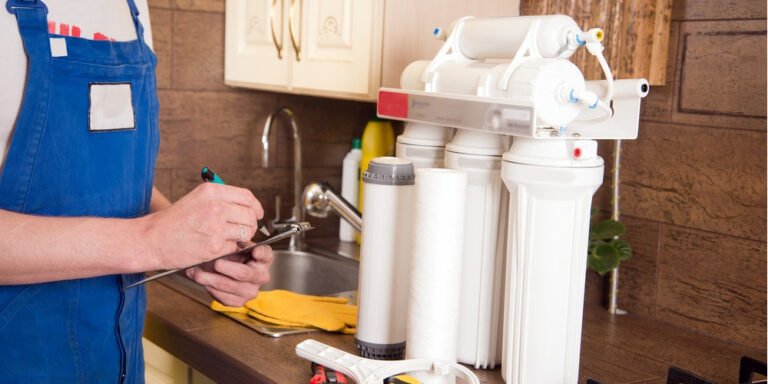
A professional assessment can help determine whether you need filtration, softening, reverse osmosis, disinfection, or some combination. It also prevents homeowners from paying for technology they don’t really need.
Why Consistency Matters
Water quality isn’t only about getting a good result once. What matters in everyday life is what comes out of the tap day after day.
For households that rely on treatment equipment, consistent water quality can make a noticeable difference. Water that behaves predictably is easier to cook with, drink, clean with, and use throughout the home.
Consistency also depends on maintenance. Filters eventually collect material. Membranes need replacement. Softening equipment may require salt and periodic adjustments. Ignoring those basics can gradually reduce performance, even when the original equipment was perfectly suitable.
A simple maintenance calendar can go a long way. Mark filter replacement dates, keep track of inspections, and pay attention when water begins behaving differently.
Don’t Forget About Water Pressure
Water treatment equipment can affect flow, especially when filters become clogged or systems aren’t properly sized. If someone notices a sudden drop in pressure after installation, it shouldn’t simply be accepted as part of having treated water.
Low pressure can come from several causes, including clogged cartridges, plumbing restrictions, or equipment that isn’t appropriate for the household’s flow demands.
This is another reason professional sizing matters. A family of two in a small home doesn’t necessarily have the same requirements as a household of six with multiple bathrooms, laundry running, and several showers being used at once.
Whole-House Treatment vs. Drinking Water Treatment
Not every water concern requires treatment at every faucet.
Whole-house systems treat water as it enters the property, making them useful when the concern affects bathing, laundry, fixtures, or general household use. A point-of-use system, meanwhile, focuses treatment where drinking and cooking water are needed.
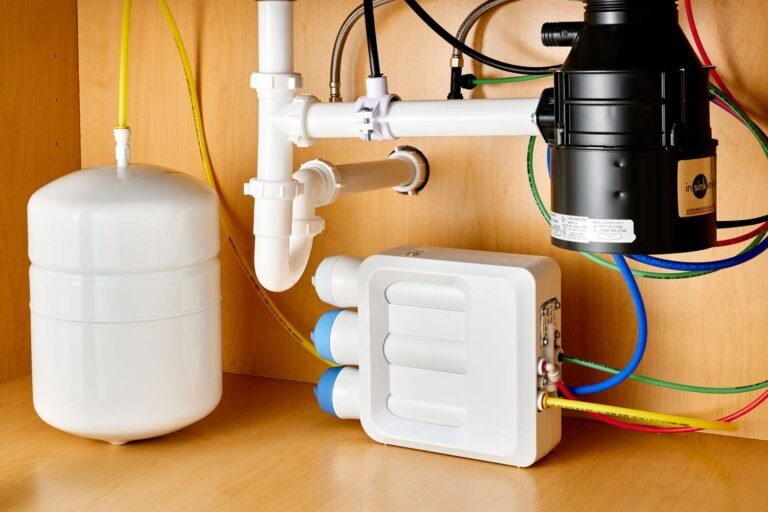
Reverse osmosis systems are commonly used at a kitchen sink when the goal is highly treated drinking water. Whole-house filtration may make more sense when sediment, odors, or other issues affect the entire property.
The best choice depends on the test results and what you actually want to accomplish. Sometimes a targeted solution is smarter and less expensive than treating everything.
Why Customized Design Makes Sense
Every home has its own plumbing layout, water source, flow requirements, and treatment priorities. A system that works beautifully in one property may be completely wrong for another.
That’s why customized system design can be valuable. Proper design considers the incoming water quality, household size, peak demand, available installation space, existing plumbing, and desired results.
It also helps avoid the classic problem of installing equipment that is too small, too large, or simply not designed for the contaminants present. Bigger isn’t always better. In water treatment, the right fit usually matters more.
Installation Is Only Half the Job
Even good equipment can underperform if it’s installed incorrectly. Connections need to be secure, filters need to be positioned properly, and settings have to match the water and household requirements.
After installation, homeowners should know the basics: what the system does, what needs replacing, what warning signs to watch for, and who to contact if performance changes.
Clear instructions are surprisingly important. People shouldn’t have to stare at a control panel wondering whether a flashing light means “routine maintenance” or “something has gone seriously wrong.”
Make Water Treatment a Long-Term Decision
The best water treatment setup isn’t necessarily the most complicated one. It’s the one that solves the actual problem without creating a new list of headaches.
Start by testing the water. Understand the results. Decide which issues matter most for your household, then choose equipment around those findings. Consider installation, maintenance, replacement costs, and future household needs—not just the price tag sitting on a website today.
Good water treatment should quietly do its job in the background. You shouldn’t have to think about it every morning when you pour a glass of water or start the dishwasher. When the system is properly selected, correctly installed, and maintained over time, that quiet reliability is really the point.
And honestly, that’s a pretty good standard for something as important as the water your family uses every day.