Most people don’t spend much time thinking about their kitchen tap. You turn it on, fill a glass, rinse some vegetables, start the coffee maker, and get on with the day. Water is just there.
Until it isn’t quite right.
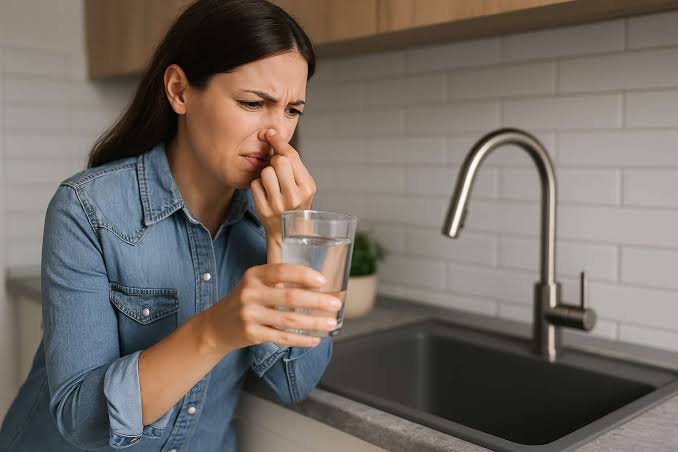
Maybe there’s a faint chlorine taste you can’t ignore anymore. Perhaps the water leaves tiny particles at the bottom of a glass. Your coffee tastes different, or the ice from the refrigerator has a strange smell. None of these things necessarily means there’s a serious problem, but they’re good reasons to pay closer attention.
Water treatment doesn’t have to be complicated. In fact, the smartest approach is often surprisingly simple: figure out what’s affecting the water, decide what you want to improve, and select treatment that actually matches the situation.
Taste Is Often the First Clue
People experience water differently. One person might notice a slight mineral flavor while another doesn’t notice anything at all.
improved taste, odor, and clarity can make treated water more pleasant for everyday drinking and cooking. Carbon filtration, sediment filtration, reverse osmosis, and other treatment methods may each play a role, depending on what is present in the incoming supply.
But better taste shouldn’t be confused with complete purification. A filter that improves flavor isn’t necessarily designed to reduce every contaminant.
That distinction is worth remembering when you’re comparing systems. Marketing language can make filtration sound like an all-or-nothing process, when real water treatment is much more specific.
Why Water Can Taste Different From One Home to Another
Two houses in the same neighborhood can sometimes experience noticeably different water.
The source may be similar, but plumbing conditions, household pipes, water heaters, and local infrastructure can influence what reaches the faucet. Private wells can vary even more because groundwater chemistry isn’t identical from one property to another.
Municipal water can also contain disinfectants that affect taste and smell. Minerals such as calcium and magnesium may contribute to a different flavor profile.
None of this means that an unusual taste automatically indicates unsafe water. It simply means taste is a useful observation, not a complete diagnosis.
Sediment Is More Than an Eyesore
Finding tiny particles in a glass of water is unsettling. Even when you know they’re probably harmless, you don’t exactly feel like drinking them.
sediment can enter water from several sources. Private wells may contain naturally occurring particles, while plumbing disturbances can temporarily introduce material into a household supply. Older pipes or infrastructure work can also contribute to changes.
Sediment can collect in faucet aerators, showerheads, valves, and appliance components. If enough material is present, it may clog filters quickly or reduce water flow.
A properly selected sediment filter can help capture particles before they travel farther into the home’s plumbing system.
The key phrase is “properly selected.” A filter that’s too fine may become clogged rapidly, while one that’s too coarse may allow unwanted particles through.
Clear Water Isn’t Always Completely Free of Dissolved Substances
Water can look crystal clear and still contain dissolved minerals or other substances.
dissolved contaminants are particularly difficult to judge by appearance because they’re not necessarily visible. Depending on the source and local conditions, water may contain minerals, metals, salts, or other substances that require specific treatment technologies.
This is one reason water testing can be useful before purchasing equipment. Instead of assuming what’s wrong, homeowners can get a clearer picture of the water’s characteristics.
If a particular contaminant is a concern, testing should be designed to look for it. A general water test isn’t necessarily capable of answering every question.
Different Filters Have Different Jobs
It’s tempting to think of a water filter as a universal appliance. Unfortunately, water doesn’t work that way.
Sediment filters are designed for particles. Activated carbon can be useful for certain taste and odor concerns. Water softeners address hardness. Reverse osmosis systems can reduce many dissolved substances.
These technologies may sometimes be used together, but each should have a reason for being there.
If someone recommends a treatment system, ask a simple question: “What exactly is this component supposed to remove?”
A good answer should be easy to understand.
When Reverse Osmosis Makes Sense
Reverse osmosis is often used for drinking and cooking water because its membrane can reduce a broad range of dissolved substances.
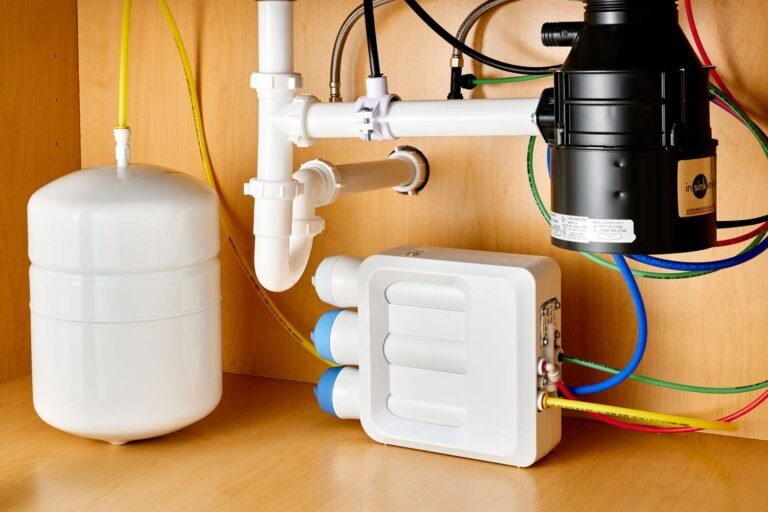
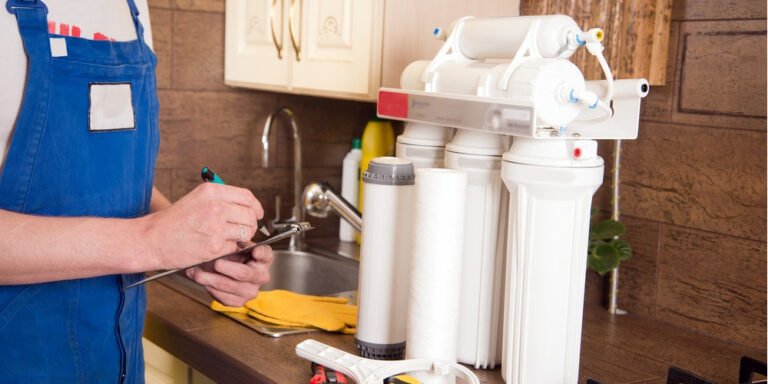
A typical residential system may include pre-filters, the reverse osmosis membrane, and a post-filter. Some systems also include storage tanks and dedicated faucets.
This approach can be useful when testing identifies dissolved substances that homeowners want to reduce, or when they simply prefer highly treated drinking water.
There are trade-offs, however. Filters and membranes require replacement, and reverse osmosis systems can produce wastewater. Water pressure also affects performance.
It’s a powerful technology, but “more filtration” isn’t automatically better for every household.
Don’t Forget About Hard Water
Hard water is another common reason people explore treatment.
Calcium and magnesium can form scale around faucets, showerheads, water heaters, and appliances. They can also make cleaning more frustrating because soap doesn’t behave quite the way you’re used to.
A water softener can reduce hardness throughout the home. But if you’re mainly concerned about drinking water, a point-of-use filtration system may be more appropriate.
Again, the goal is to match the treatment to the problem.
Water Testing Removes the Guesswork
Water testing isn’t the most exciting home-improvement project, but it can be one of the most useful.
Testing can provide information about hardness, pH, iron, manganese, chlorine, and other characteristics. Depending on your water source, additional analysis may be appropriate.
Private well owners should pay particular attention to regular testing because groundwater conditions can change.
For homeowners on municipal supplies, testing can still be useful when water develops an unusual taste, smell, color, or appearance.
The results can help determine whether treatment is necessary and, if so, what kind.
Maintenance Keeps Filtration Effective
Once a system is installed, it still needs care.
Filters have capacity limits. Carbon cartridges eventually become exhausted. Sediment filters gradually collect particles. Reverse osmosis membranes require periodic replacement.
If maintenance is ignored, performance can decline slowly. You might notice lower flow or a change in taste before realizing the filter is overdue.
Keeping a simple replacement calendar makes the process easier. Write down the date a cartridge was installed and set a reminder for the expected replacement period.
It’s not exciting, but neither is discovering an ancient filter six months after it should have been changed.
Don’t Buy Based on the Biggest Claims
A treatment system should be evaluated by what it actually does, not how impressive the advertising sounds.
Look for specific performance information. What does the filter reduce? What conditions does it require? How long is the cartridge expected to last? What maintenance is involved?
If a system claims to address a particular contaminant, check whether the manufacturer provides credible performance information for that substance.
And don’t be afraid to ask questions. A reputable water professional should be able to explain the system without drowning you in technical jargon.
Better Water Should Fit Naturally Into Your Life
The best water treatment system isn’t necessarily the largest or most expensive one. It’s the one that addresses a genuine need and continues to do its job without becoming a constant source of worry.
Start with the water itself. Notice the symptoms, test when appropriate, understand the available treatment options, and consider the long-term maintenance.
Once everything is set up correctly, the improvement can be almost invisible—which is a good thing.
You fill a glass and enjoy it. Your coffee tastes right. Your cooking water is pleasant. The faucet doesn’t leave you wondering what’s coming out.
Sometimes the most successful home improvements are the ones that quietly make ordinary moments better. Better water doesn’t need to announce itself. You simply notice that you stopped noticing the problem.