Water treatment equipment isn’t usually something homeowners think about every morning. You turn on the faucet, fill the coffee maker, take a shower, and get on with your day. That’s exactly how it should be. But when water starts tasting strange, pressure drops, or mineral buildup returns faster than expected, suddenly that quiet equipment in the utility area becomes much more interesting.
The good news is that most water-system concerns can be approached logically. Instead of guessing which component has failed or buying a replacement because it “looks about right,” homeowners can start with the basics: understand the water, know how the system is supposed to work, and pay attention when something changes.
A little attention at the right time can prevent a surprisingly large headache later.
Start by Understanding Your Water
Before choosing treatment equipment or troubleshooting an existing system, it’s useful to know what you’re dealing with. Water quality varies between properties, and even a reliable municipal supply can have characteristics that affect taste, mineral buildup, or filtration needs.
Private wells can vary even more. One property may have hard water, while another experiences sediment, iron staining, odors, or other concerns.
This is where water testing becomes useful. Testing can provide information about factors such as hardness, pH, iron, sediment, and other characteristics depending on the type of analysis performed.
The point isn’t to test everything imaginable. It’s to get enough information to make a sensible decision.
Pay Attention to Changes in Performance
Your water system often gives you clues before it develops a major problem.
Maybe the water pressure has gradually declined. Perhaps the taste isn’t as pleasant as it used to be. You might notice more scale on fixtures or find that a filter is becoming dirty much faster than normal.
Don’t dismiss these changes automatically.
A sudden change can sometimes indicate a clogged filter, a valve problem, altered water conditions, or an issue somewhere in the plumbing. It doesn’t necessarily mean the entire treatment system needs replacing.
Keeping a simple record of unusual changes can also help. If you can tell a technician that pressure started dropping two weeks after a filter change, that’s much more useful than simply saying, “Something feels wrong.”
Proper Installation Sets the Tone
Even high-quality treatment equipment depends on being installed correctly.
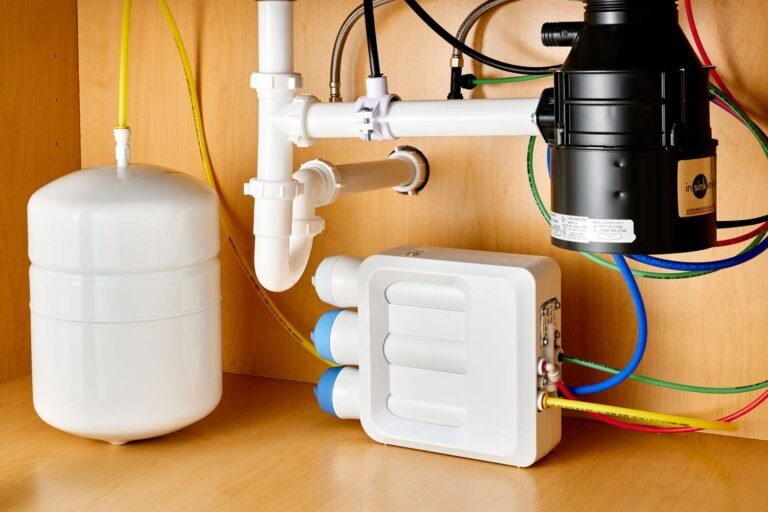
Installation involves more than connecting pipes and turning a valve. Equipment needs appropriate water pressure, adequate drainage, correct connections, sufficient clearance, and settings that match the household’s water conditions.
Placement matters, too.
Filters and controls should be reasonably accessible. If the equipment is installed behind storage boxes or squeezed into an awkward corner, routine servicing becomes a chore. A few minutes spent planning the layout can save plenty of frustration later.
A professional installer should also consider household flow requirements. A system that works well for one home may be undersized for another.
Water Pressure Is an Important Clue
Pressure problems can be particularly frustrating because they affect everyday life immediately.
A shower suddenly feels weak. The kitchen faucet takes longer to fill a pot. Someone starts a washing machine and the rest of the house seems to notice.
Treatment equipment can sometimes contribute to pressure restrictions, particularly when filters become clogged or a system isn’t sized appropriately. But the cause can also be elsewhere in the plumbing.
Rather than assuming the filter is responsible, look at when the pressure change occurs and whether it affects every fixture.
If the issue is persistent, professional troubleshooting can help identify the actual source.
Filters Need More Attention Than People Think
A filter can look like a simple component, but it plays an important role in many treatment systems.
As filtration media collects particles or other substances, flow can gradually decrease. Eventually, the filter may need replacement even if the water still appears clear.
Waiting until water pressure becomes terrible isn’t ideal.
Follow the manufacturer’s recommended service interval, but also consider actual household usage and water conditions. A family using large amounts of water may reach a filter’s capacity faster than a smaller household.
If filters are becoming clogged unusually quickly, that may be useful information. It could indicate a higher sediment load or another upstream issue worth investigating.
Repairs Should Address the Cause
When something stops working, replacing the first part you can identify isn’t always the best solution.
Repairs should ideally begin with troubleshooting. Is the valve functioning? Is water reaching the equipment correctly? Is the filter clogged? Has a setting changed? Is there a leak or pressure issue?
A good repair focuses on why the problem happened rather than simply restoring operation for a few days.
For complicated equipment, professional service can be especially worthwhile. Trying to force a stuck component or disassemble a pressurized system without understanding it can turn a minor issue into a much bigger one.
Sometimes knowing when to put the tools down is the smartest repair decision of all.
Maintenance Is Cheaper Than Neglect
Routine maintenance isn’t exciting, but it tends to be much less expensive than emergency repairs.
Depending on the system, maintenance may include filter replacement, cleaning, sanitation, valve inspection, salt replenishment, or checking operating settings.
Create a basic schedule and stick with it.
It also helps to keep records of service dates and replacement parts. If a problem develops later, you’ll have a useful history of what has already been done.
And don’t forget to look at the equipment occasionally. A small drip, unusual noise, or buildup around a connection can be easier to address now than after it becomes a serious leak.
Don’t Ignore Your Water Heater
Not every water-quality complaint originates with the treatment system.
If an odor appears only when using hot water, the water heater deserves attention. Sediment can accumulate in tanks, and plumbing conditions can influence taste and appearance.
Similarly, if only one faucet produces unusual water, inspect the faucet and aerator before assuming the entire house has a water-quality issue.
Troubleshooting by location and temperature can eliminate a lot of unnecessary guesswork.
Know What Your Equipment Is Designed to Do
One of the easiest ways to become disappointed with a water-treatment system is to expect it to solve problems it wasn’t designed to address.
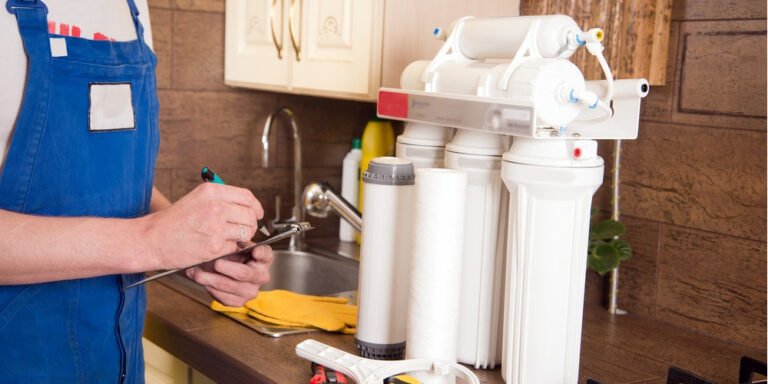
A sediment filter is designed for particles. A softener addresses hardness. Carbon filtration is commonly used for certain taste and odor concerns. Other technologies are intended for more specific water-quality conditions.
Understanding these differences makes maintenance and troubleshooting much easier.
If you’re unsure what a particular component does, check the manufacturer’s documentation or ask the installer. You should be able to explain your system in simple terms.
Watch for Signs That the System Needs Attention
There are several reasons to take a closer look at your equipment:
- Water pressure has noticeably decreased.
- Taste or odor has changed.
- Filters become clogged unusually quickly.
- Mineral deposits are returning.
- Equipment makes unfamiliar noises.
- You notice leaks around fittings or housings.
- A control cycle seems different from normal.
- Water appearance changes unexpectedly.
None of these automatically identifies the cause. They’re simply reasons to investigate.
Ignoring small changes because “the water still works” can sometimes allow a manageable problem to grow.
Choose Service With the Future in Mind
When buying or servicing water-treatment equipment, think beyond the immediate problem.
Ask how often the system requires maintenance. Find out which components normally wear out. Check whether replacement parts are readily available. Understand what routine service costs.
A system that is easy to maintain and properly supported can be more valuable than one that looks impressive but becomes difficult to service.
The best equipment is rarely the one with the longest list of features. It’s the one that fits the household and continues doing its job without unnecessary drama.
A Little Attention Goes a Long Way
Water systems are supposed to make life easier, not become another source of stress. The trick is staying slightly ahead of problems.
Know your water. Pay attention to changes. Replace filters on schedule. Keep equipment accessible. Get unusual problems checked before they become emergencies.
You don’t need to become a water-treatment expert. You just need to understand the basics and recognize when something isn’t behaving normally.
When a system is properly selected, installed, maintained, and repaired when necessary, it can quietly do its job for years. And honestly, quiet reliability is about as good as household equipment gets.