Introduction
Every founder thinks their idea is the one. That’s normal, honestly — you wouldn’t start otherwise. But excitement isn’t proof of demand, and I’ve watched too many people spend their savings before ever finding out if anyone actually wanted what they built. Learning how to validate a startup idea properly, before spending serious money, is the single habit that separates founders who survive their first year from those who don’t.
What Validation Actually Means
Quick answer: To validate a startup idea means gathering real evidence — not just opinions — that people genuinely have the problem you’re solving and are willing to pay for a solution, before you invest significant time or money building it out fully.
Opinions from friends don’t count as validation. Neither does a survey where people say they’d “probably” use something.
Talk to Real Potential Customers First
This sounds obvious, yet so many founders skip it entirely, jumping straight into building.
- Aim for at least 15-20 genuine conversations with people who match your target customer
- Ask about their current problem and workaround, not whether they’d like your idea
- Listen for specific pain points, not polite agreement
- Avoid pitching your solution too early in these conversations — understand the problem first
I’ve noticed founders often ask leading questions without realizing it, which just confirms what they already wanted to hear.
Look for Evidence of Willingness to Pay
Interest is cheap. Money is honest.
- Try pre-selling before building — even a simple landing page with a “reserve your spot” button
- Ask people what they currently spend on solving this problem, if anything
- Test a paid pilot with a small group, even at a discounted rate
- Notice if people are actively asking when they can buy, versus just being polite
Picture a founder building an app for freelancers to track invoices — after 20 conversations and zero people willing to pre-pay even ₹200, that’s a strong signal to rethink the approach before building further.
Analyze the Competition Honestly
No direct competitors doesn’t mean no market — it sometimes means no demand. Be honest about which it is.
- Study existing solutions people currently use, even indirect ones
- Read reviews and complaints about competitor products for gaps you could fill
- Understand why previous attempts in this space succeeded or failed
- If competitors exist and are doing well, that’s often a good sign of validated demand
Build a Minimum Viable Product, Not a Full Product
Quick answer: A minimum viable product (MVP) is the simplest version of your idea that lets you test core assumptions with real users — it should take weeks, not months, to build, and doesn’t need every feature you eventually envision.
Resist the urge to add “just one more feature” before launching. Get something basic in front of real users fast.
Track the Right Metrics During Testing
Vanity metrics feel good but don’t tell you much. Focus on metrics that reveal genuine engagement.
- Retention — are people coming back, not just trying it once?
- Conversion from free trial to paying customer, if applicable
- Organic referrals — are users telling others without being asked?
- Actual usage frequency versus how often you expected
Knowing When to Pivot or Persist
This is genuinely the hardest part. Data rarely gives a perfectly clear answer.
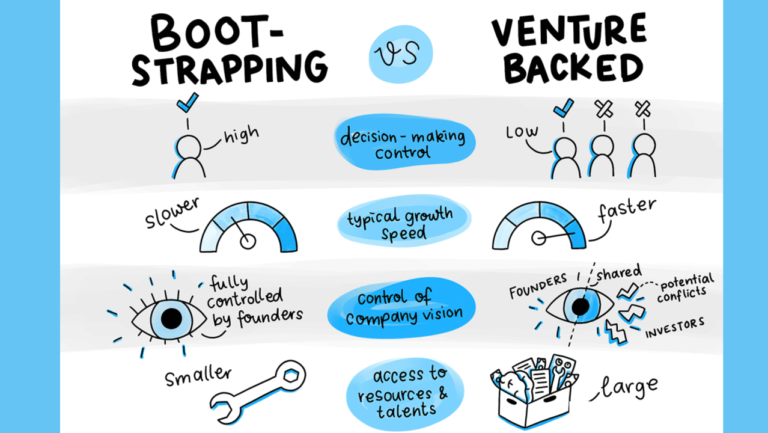
If you’re seeing consistent, if modest, positive signals — some paying customers, decent retention — that’s often worth persisting and refining. If you’re seeing widespread indifference despite genuine effort to reach the right audience, that’s a signal to pivot rather than force it. [link to related guide on bootstrapping versus venture capital here]
FAQ
Q1. How long should idea validation take before building a full product? This varies, but most founders can gather meaningful validation signals within 4-8 weeks of focused customer conversations and simple testing.
Q2. Is a survey enough to validate a startup idea? Not on its own — surveys capture stated intent, which often differs significantly from actual behavior, so combine surveys with real willingness-to-pay tests.
Q3. What if nobody wants to pre-pay for my idea? This is valuable information, not necessarily a dead end — it might mean adjusting your pricing, target audience, or the specific problem you’re solving.
Q4. How many customer conversations are enough for validation? Around 15-20 in-depth conversations typically reveal consistent patterns, though more complex or niche markets might require additional conversations.
Q5. Can I validate a startup idea without any coding skills? Yes, many validation methods like landing pages, manual service delivery, or simple prototypes require no coding knowledge at all.
Q6. Should I validate my idea even if I’m confident it will work? Especially then — overconfidence is exactly when founders skip validation and later discover expensive gaps between their assumptions and actual market reality.
Conclusion
Taking time to validate a startup idea before investing heavily feels slower upfront, but it genuinely saves months, sometimes years, of building something nobody wanted. Start this week with real conversations, not more planning — the data you need is sitting in potential customers’ heads, not in your own assumptions.
Suggested Alt Text for Images:
- “Founder conducting customer interview for startup validation”
- “Landing page testing startup idea demand”
- “Entrepreneur analyzing validation data and feedback”