There’s a point in every interior project when the big decisions have already been made. The walls are where they need to be. The flooring is installed. Cabinets have found their places, and the major furniture pieces are beginning to arrive.
And yet, somehow, the room still feels a little unfinished.
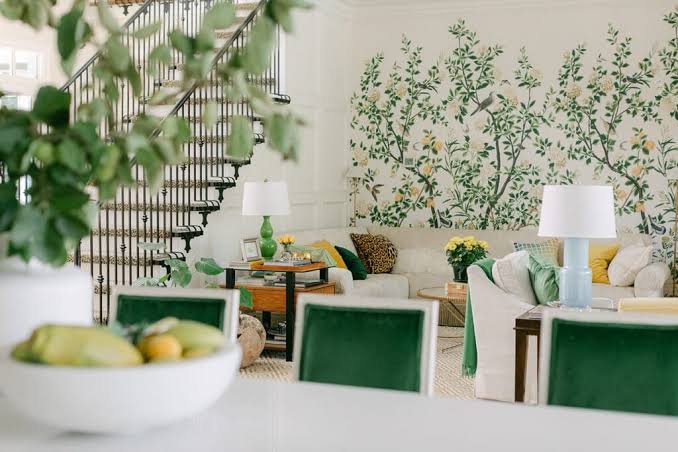
That final feeling rarely comes from adding more things simply for the sake of filling space. It comes from relationships — how a fabric works beside a wood finish, how a chair balances a table, how a lamp changes the mood in the evening, and how one room seems to naturally lead into another.
Interior design becomes especially interesting at this stage because the details start doing the talking. A carefully considered combination of textures can make a simple room feel layered and warm. A distinctive object can give an otherwise restrained interior a little personality.
The magic is usually in the editing.
A Room Needs More Than Beautiful Objects
It’s tempting to shop for individual pieces based on first impressions. A chair catches your eye. Then a rug. Then a lamp that would look “perfect” somewhere.
But a home isn’t a collection of attractive objects sitting independently from one another.
Every piece has a relationship with something else.
A warm-toned wood table may look wonderful next to creamy upholstery, but introduce a cool gray stone surface and the overall balance changes. A dramatic patterned curtain may need quieter furniture nearby. A highly sculptural chair might be more effective when surrounded by simpler forms.
This is why fabric and finish coordination matters so much. The objective isn’t to make everything identical. Instead, materials should complement each other through color, texture, sheen, scale, and visual weight.
Think about a room in layers. Hard surfaces provide structure. Upholstery introduces softness. Metals add subtle reflection. Wood brings warmth. Textiles absorb sound and create comfort.
When those layers are considered together, even a restrained palette can feel surprisingly rich.
Choosing Fabrics for Real Life
Fabric selection is one of those decisions that looks simple until you actually have dozens of samples spread across a table.
Linen, cotton, velvet, wool, leather, performance textiles — each has its own character and practical considerations.
A formal sitting room may have room for a delicate textile that would be impractical in a busy family room. A dining chair needs to tolerate regular use. A sofa may need to withstand pets, children, afternoon naps, and the occasional spilled glass of something.
There’s no shame in choosing durability.
In fact, the most successful interiors often balance beauty with practicality. A fabric can be luxurious without being precious. A finish can be refined while still handling everyday wear.
The important question is not simply, “Do I like this?”
Ask instead, “Will I still like living with this?”
Why Finish Matters as Much as Color
Two pieces can have nearly identical colors and still look completely different because of their finishes.
A matte surface absorbs light. A polished finish reflects it. Brushed metal feels softer visually than mirror-polished metal. Natural wood may show variation that gives it depth, while a painted finish creates a cleaner, more uniform appearance.
These differences become particularly noticeable when several materials are placed close together.
That’s why a good designer often studies samples in the actual environment where they’ll be used. A finish that looks perfect under showroom lighting may behave differently beside a window at three in the afternoon.
It’s worth slowing down here.
Some design decisions are expensive and difficult to change later. Seeing materials together before committing can prevent a lot of second-guessing.
A Gallery Can Be More Than a Showroom
For many homeowners, choosing furniture is easier when they can experience pieces in person.
A furgs gallerynishin can provide something online shopping simply can’t: scale. You can sit in a chair, touch the upholstery, compare finishes, see how large a lamp actually feels, and understand the proportions of a table.
Those physical experiences matter.
A photograph can make a chair appear generous when it’s actually quite compact. A sofa may look soft but feel firmer than expected. A wood finish can photograph warmer or cooler than it appears in person.
Visiting a gallery also encourages homeowners to think beyond individual products. Seeing different pieces arranged together can spark ideas about proportion and layering.
Sometimes you don’t know what you’re looking for until you see the thing that makes the rest of the room suddenly make sense.
Don’t Underestimate the Power of One Unexpected Piece
A room doesn’t need to be dramatic to have personality.
Sometimes one unusual object is enough.
It could be an antique mirror, a hand-carved stool, an oversized ceramic vessel, or a chair in a fabric that doesn’t perfectly match anything else. These moments of contrast keep a space from feeling overly predictable.
The trick is knowing when to stop.
If every piece is trying to be memorable, the room becomes exhausting. One or two unexpected elements often have more impact because everything around them gives them room.
This is particularly useful in refined interiors where the overall palette is intentionally quiet.
Creating Continuity Without Making Every Room Identical
One of the biggest misconceptions about cohesive design is that every room needs to match.
It doesn’t.
A bedroom can be softer and quieter than the living room. A dining room can carry more pattern. A home office might have stronger contrast or more practical materials.
What connects the rooms is often subtler.
Maybe the same wood tone appears in different areas. Perhaps brass hardware repeats throughout the house. Similar upholstery colors can quietly link separate spaces. Architectural details, flooring, or trim can create another layer of continuity.
The goal is recognition, not repetition.
When you move from one room to another, the transition should feel natural rather than as if you’ve stepped into a completely different house.
Personal Style Doesn’t Have to Be Loud
Personal design is sometimes confused with unusual design.
But personality can be quiet.
A collection of family photographs can say something. A well-loved chair can say something. Books, travel finds, inherited objects, and artwork all carry traces of the people who live in a home.
These elements make an interior feel less staged.
They also tend to become more meaningful over time. A new decorative object may look attractive on day one, but something connected to a memory can become more valuable with every passing year.
That’s one reason thoughtful interiors don’t necessarily chase trends. They leave room for stories.
The Final Installation Is Where It All Clicks
After months of planning, construction, sourcing, and decision-making, the final installation can feel almost surreal.
Furniture arrives. Rugs are positioned. Lamps are plugged in. Artwork is hung. Accessories find their places.
And suddenly, the abstract ideas from drawings and samples become a real environment.
This stage requires patience. A chair may need to move several inches. Artwork may look better slightly lower. A console might need to shift to improve circulation.
Those small adjustments aren’t signs that something went wrong. They’re part of the process.
A room often needs to be experienced before its final balance becomes obvious.
Let the Home Evolve
The most comfortable homes don’t look as though someone decorated them in a single afternoon.
They evolve.
A homeowner finds a new piece while traveling. A family heirloom is brought out of storage. A favorite chair gets reupholstered. Artwork moves from one room to another. Furniture gets rearranged as children grow or routines change.
That’s not a failure of the original design.
It’s actually a sign that the home has enough flexibility to keep developing.
And perhaps that’s the julian difference — creating interiors where careful planning doesn’t erase personality, but gives it a stronger place to live. The best design isn’t necessarily the one where every detail is perfectly matched. It’s the one where everything feels considered, yet nothing feels forced.
A Thoughtful Interior Knows When Enough Is Enough
Good design requires choices, but it also requires restraint.
There will always be another fabric, another finish, another beautiful chair, another object that could technically fit into the room. The challenge is deciding which ones actually belong.
When materials are coordinated thoughtfully, furniture has room to breathe, and personal pieces are given space to tell their stories, an interior begins to feel settled.
Not static. Not overly polished.
Settled.
That’s a subtle distinction, but an important one.
A home should feel finished enough to be beautiful and unfinished enough to remain alive. It should welcome everyday mess, changing tastes, new memories, and the occasional impulse purchase that somehow turns out to be exactly right.
In the end, the finishing details aren’t really about finishing anything.
They’re about bringing all the earlier decisions together so naturally that the home feels like it was always meant to be this way.