Introduction
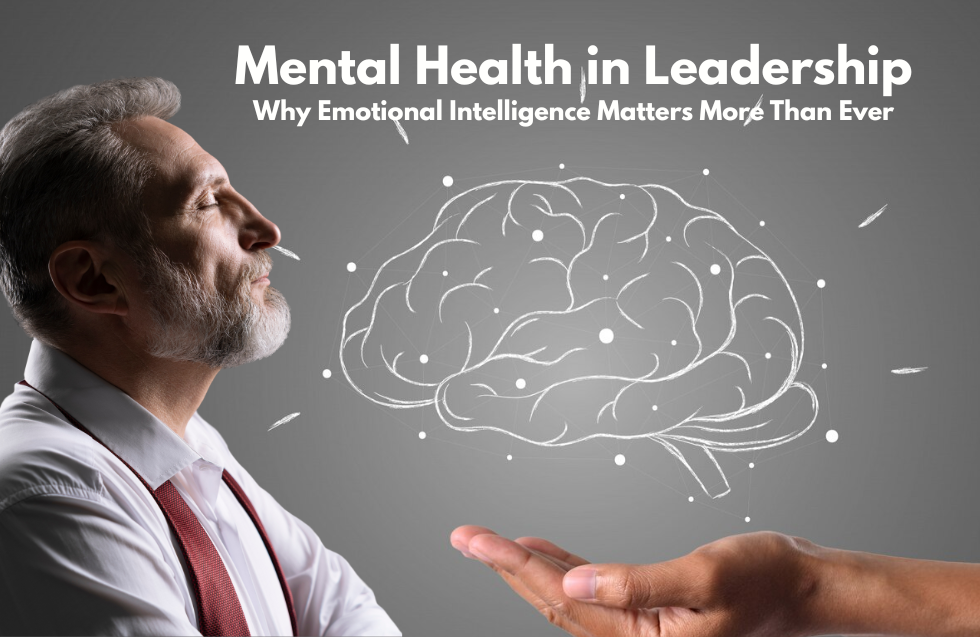
Technical skill gets people promoted into leadership roles, but it’s rarely what makes them genuinely effective once they’re there. Emotional intelligence leadership — the ability to understand and manage your own emotions while genuinely reading and responding to others’ — consistently separates leaders their teams actually trust from those merely tolerated. Let’s look at why this matters and how to genuinely build it.
What Emotional Intelligence Actually Means in Leadership Context
Quick answer: Emotional intelligence leadership involves self-awareness, self-regulation, genuine empathy, and skilled relationship management — leaders high in emotional intelligence recognize their own emotional triggers, respond thoughtfully rather than reactively, and genuinely understand what their team members are experiencing.
I’ve noticed technically brilliant leaders sometimes struggle significantly precisely because they lack this awareness, creating teams that respect their expertise but don’t genuinely trust or feel comfortable around them.
Self-Awareness: The Foundation of Emotional Intelligence
Before you can manage emotions effectively in leadership situations, you need genuine awareness of what you’re actually feeling and why.
- Notice your emotional reactions during difficult conversations, without immediately acting on them
- Identify your specific triggers — situations that reliably provoke strong reactions
- Reflect honestly after emotionally charged situations about what actually happened internally
- Seek honest feedback from trusted colleagues about how your emotions show up to others
Self-Regulation: Responding Rather Than Reacting
Picture a leader receiving frustrating news during a team meeting — reacting immediately with visible anger creates a genuinely different team dynamic than pausing briefly before responding thoughtfully.
- Build a brief pause habit before responding to emotionally charged situations
- Recognize physical signs of strong emotion (tension, quickened breathing) as early warning signals
- Develop specific strategies for managing stress before it affects your interactions with your team
- Practice separating the emotion itself from the action you choose to take next
Genuine Empathy in Leadership Decisions
This isn’t about being a pushover or avoiding difficult decisions — it’s about genuinely understanding how decisions affect the people involved before making them.
- Actively listen to understand, not just to formulate your next response
- Consider individual circumstances when making decisions that affect your team members
- Acknowledge difficult emotions your team might be experiencing during challenging periods, rather than ignoring them
- Balance empathy with necessary business decisions — the two aren’t mutually exclusive
Building Stronger Relationships Through Emotional Intelligence
Quick answer: Leaders with strong emotional intelligence leadership skills build genuinely trusting relationships because their teams feel understood and respected, not just managed — this trust directly translates into higher engagement, better communication, and stronger performance overall.
Has this ever happened to you — working under a manager who seemed to genuinely understand your perspective, versus one who felt completely disconnected from your reality? The difference in motivation and trust is significant.
Handling Conflict With Emotional Intelligence
Conflict is inevitable in any team, but emotionally intelligent leaders handle it in ways that preserve relationships rather than damaging them further.
- Address conflict directly rather than avoiding uncomfortable conversations
- Focus on understanding all perspectives before forming judgments
- Separate the person from the problem being discussed
- Model calm, respectful communication even when the conversation itself is difficult
Developing Emotional Intelligence Over Time
This isn’t a fixed trait you either have or don’t — it’s genuinely a skill that develops through deliberate practice and honest self-reflection.
- Seek regular feedback specifically about your emotional impact on others, not just your business results
- Practice mindfulness or reflection habits that build genuine self-awareness over time
- Work with a coach or mentor who can provide honest, specific observations
- Be patient with yourself — this development genuinely takes sustained, consistent effort
[link to related guide on how to build confidence as a first time manager here]
FAQ
Q1. Can emotional intelligence really be developed, or is it a fixed trait? It can genuinely be developed through deliberate practice, self-reflection, and honest feedback, even for leaders who don’t initially find it natural.
Q2. How is emotional intelligence different from just being nice as a leader? Emotional intelligence involves genuine understanding and skilled response to emotions, while simply being “nice” can sometimes avoid necessary difficult conversations entirely.
Q3. Does emotional intelligence matter more than technical skill in leadership? Both matter, but many studies suggest emotional intelligence becomes increasingly important as leaders take on more senior, people-focused responsibilities.
Q4. How can I get honest feedback about my own emotional intelligence as a leader? Directly asking trusted colleagues for specific observations, or working with a coach, often provides more honest insight than self-assessment alone.
Q5. Can emotionally intelligent leaders still make tough, unpopular decisions? Yes, absolutely — emotional intelligence helps leaders communicate difficult decisions with genuine empathy and clarity, not avoid making them altogether.
Q6. Is emotional intelligence more important in certain industries than others? While it matters broadly across all leadership contexts, industries requiring significant team collaboration and change management often see it as particularly critical.
Conclusion
Understanding and building emotional intelligence leadership skills genuinely transforms how effectively you lead, well beyond what technical expertise alone can achieve. Start by simply noticing your own emotional reactions this week during team interactions — that awareness is genuinely the first step toward meaningful change.
Suggested Alt Text for Images:
- “Leader showing empathy during team conversation”
- “Manager practicing emotional intelligence in meeting”
- “Team trusting leader with genuine emotional connection”