Good drinking water is something most people take for granted until the taste changes, a glass comes out cloudy, or mineral deposits begin collecting around the kitchen faucet. These small signs can raise bigger questions about what’s actually coming through the tap. Is the water safe to drink? Would a filtration system make a difference? And which option is worth the investment?
The answers depend on your water supply, household needs, and the specific concerns you want to address. Fortunately, improving drinking water doesn’t have to mean making complicated changes throughout the house. Sometimes, a carefully chosen system at the kitchen sink can make everyday life a little easier.
Understanding What’s in Your Drinking Water
Water can look perfectly clear and still contain substances that affect its taste, smell, or quality. Depending on the source, it may contain dissolved minerals, chlorine used during municipal treatment, sediment, or other contaminants. Private well water can present different concerns from water supplied by a public utility.
That doesn’t mean every household needs an elaborate filtration setup. It means you should understand your water before choosing equipment.
For homes connected to municipal supplies, reviewing the local water quality report can provide a useful starting point. Homeowners who rely on private wells should arrange appropriate testing through a qualified laboratory, following local recommendations. Testing can help identify concerns that aren’t visible to the naked eye.
Pay attention to your everyday experience, too. A strong chlorine taste, unpleasant odor, or recurring sediment may be worth investigating. However, appearance and taste alone cannot establish whether water is safe. Proper testing is the more reliable way to understand what’s happening.
Finding a Filtration System That Fits Your Needs
Water treatment products aren’t interchangeable, even when their advertisements sound similar. Some filters are designed primarily to improve taste and odor, while others target particular contaminants. The right choice depends on the issue you’re trying to solve.
Activated carbon filters, for example, can reduce chlorine taste and odor and may address certain organic compounds, depending on the product’s design and certification. Sediment filters capture particles such as sand, rust, and other suspended material. Neither type should be assumed to remove every possible contaminant.
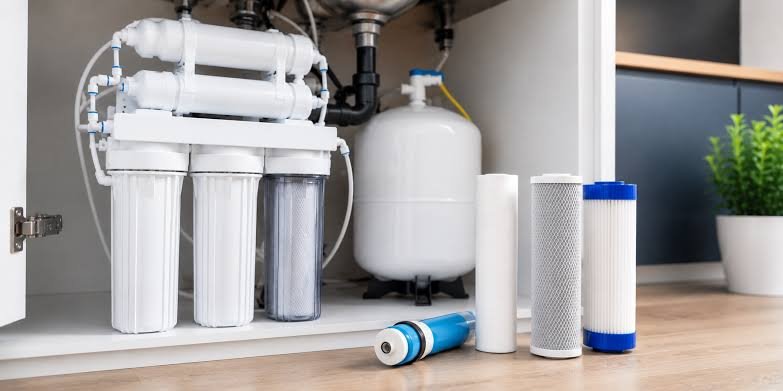
For households concerned about dissolved substances, reverse osmosis units may be worth considering. These systems push water through a specialized membrane that reduces many dissolved contaminants. Depending on the system, additional filtration stages may improve taste and provide further treatment.
Still, reverse osmosis isn’t automatically the best answer for every home. Systems vary in performance, water use, maintenance requirements, and the substances they are certified to reduce. Some produce wastewater during operation, while others include storage tanks or different delivery arrangements.
Before buying, check the manufacturer’s performance data and relevant independent certifications. Look for evidence that the specific model reduces the contaminants identified in your water test. A long list of impressive claims means little if the equipment hasn’t been verified for the problem you actually have.
Why Installation Quality Matters
Even a good filtration system can become frustrating when it isn’t installed correctly. Connections may leak, water pressure may be affected, or the equipment might not fit comfortably beneath the sink. In some cases, a poorly planned installation can make future filter changes unnecessarily difficult.
Choosing professional installation can help prevent these avoidable problems. A qualified installer can assess the available space, check plumbing connections, review water pressure requirements, and explain how the system should operate. They can also help determine whether extra components, such as a dedicated faucet or storage tank, are needed.
There are practical benefits beyond getting the equipment connected. An installer familiar with water treatment can explain which maintenance tasks you can handle yourself and which may require assistance. That knowledge is especially useful for homeowners who have never owned a filtration system.
Before scheduling work, ask what the quoted price includes. Does it cover the equipment, fittings, labor, and any necessary plumbing adjustments? Are replacement filters readily available? Will the installer explain how to identify leaks or recognize when maintenance is due?
A little preparation helps avoid surprises later. It also gives you a clearer picture of the system’s total cost rather than just the initial purchase price.
Don’t Overlook Routine Maintenance
A filtration system isn’t a fit-and-forget appliance. Its performance depends on using the correct replacement components and following the maintenance schedule recommended by the manufacturer.
Filters gradually collect material or reach the end of their useful life. If replacements are delayed, water flow may decline, taste may change, or the system may no longer deliver the performance expected of it. The exact consequences depend on the filter type and the conditions in which it operates.
Keep a record of installation dates and filter changes. Some systems include indicators or monitoring features, but even a simple note on a calendar can be helpful. Always follow the manufacturer’s instructions for replacing cartridges, sanitizing components, and restarting the equipment.
If the water develops an unusual smell, changes color, or begins tasting different, don’t assume a new filter will solve everything. The source of the change may need investigation, especially if there are concerns about contamination or a problem with the household plumbing.
For private wells, continue routine water testing even when a filtration system is installed. Treatment equipment doesn’t eliminate the need to monitor the underlying water supply.
Choosing a Provider You Can Rely On
The equipment itself is only part of the experience. Good guidance before purchase and practical assistance afterward can make ownership much simpler.
Look for a provider who asks questions about your water source, listens to your concerns, and explains the options in straightforward language. Be cautious of anyone who recommends an expensive system without first understanding the problem. A trustworthy professional should be able to explain what a product does, what it doesn’t do, and why it may suit your home.
Ask about replacement-filter costs, warranty coverage, service availability, and the expected maintenance schedule. These details can have a greater effect on long-term satisfaction than a promotional discount.
Reliable dependable service also matters when something goes wrong. If a connection begins leaking or a system needs troubleshooting, knowing whom to contact can save time and reduce stress. Before committing, find out whether the provider offers ongoing support and whether service visits carry additional charges.
Good customer service shouldn’t feel like an extra feature. It should be part of the overall value you’re paying for.
Making a Smart Long-Term Investment
The cheapest system isn’t always the least expensive to own, and the most advanced system isn’t necessarily the right one. Consider the initial price alongside replacement filters, water usage, maintenance needs, and the availability of parts. A simpler system that addresses your actual concerns may provide better value than a complicated setup with features you don’t need.
It’s also worth thinking about your household routine. A family that drinks and cooks with filtered water throughout the day may have different requirements from someone who primarily wants to improve the taste of a morning glass of water. Storage capacity, flow rate, and ease of maintenance can all influence how convenient the system feels.
Ultimately, start with information rather than assumptions. Understand your water, identify your priorities, and compare products based on verified performance. Ask questions until you feel comfortable with the decision.
Better drinking water isn’t about buying the biggest system or following the latest trend. It’s about finding a practical solution that fits your home, works as intended, and remains manageable over time. With thoughtful selection, proper installation, and regular care, a suitable filtration system can become one of those quiet household improvements you appreciate every single day.