Introduction
Nobody talks about this enough — the quiet, constant anxiety that sits behind a lot of entrepreneurial decisions. Fear of failure as an entrepreneur isn’t some rare weakness; it’s genuinely common, even among people who look confident from the outside. I’ve talked to founders running multi-crore businesses who still feel that fear regularly. The goal isn’t eliminating it entirely — it’s learning to act despite it.
Why Fear of Failure Hits Entrepreneurs Especially Hard
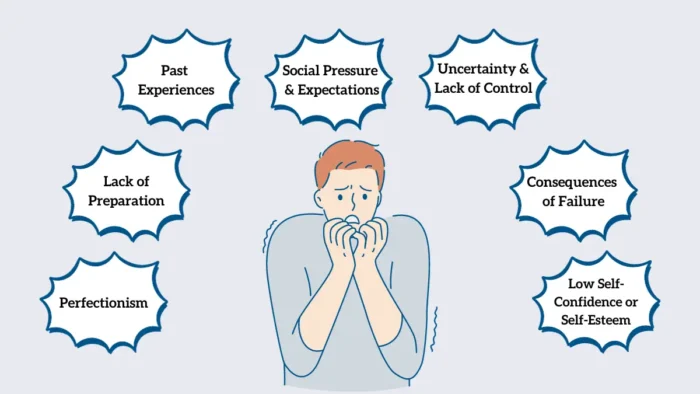
Quick answer: Entrepreneurs often experience heightened fear of failure because business outcomes feel deeply personal — your identity, financial security, and reputation are all tied to decisions you’re making constantly, unlike a salaried role with more distributed responsibility.
There’s also genuine social pressure. Everyone hears about the failures, and comparison to others’ visible “success” makes the fear feel worse than it needs to.
Reframing What Failure Actually Means
This sounds like a cliché, but the reframe genuinely matters practically, not just emotionally.
- A failed product test isn’t a failed business — it’s data
- A bad month isn’t proof the whole venture is doomed
- Most successful founders have multiple failed attempts before something worked
- Treating setbacks as information, not verdicts, changes how you respond to them
I’ve noticed the founders who recover fastest from setbacks are the ones who separate “this didn’t work” from “I am a failure” — that distinction matters more than people realize.
Breaking Big Fears Into Smaller, Testable Risks
Fear often comes from imagining one giant, irreversible decision. Break it down instead.
- Identify the smallest possible test of your riskiest assumption
- Set a specific, limited amount of time or money you’re willing to risk on that test
- Get real feedback before committing further resources
- Treat each small test as reducing uncertainty, not as a pass/fail moment for your entire dream
Picture someone terrified of quitting their job to start a business — instead of quitting immediately, testing the business on weekends for three months first genuinely reduces the fear because it’s no longer one massive, irreversible leap.
Building Financial and Emotional Buffers
A lot of entrepreneurial fear is genuinely rational — it’s tied to real financial risk, not just anxiety in your head.
- Build a savings buffer before taking major risks, reducing the actual stakes involved
- Have honest conversations with family about shared financial expectations
- Separate your personal identity from business outcomes as much as possible
- Build a support network of other entrepreneurs who understand this specific pressure
Learning From Founders Who’ve Been There
Has this ever happened to you — reading a founder’s success story and assuming it was a straight, confident line to the top? It almost never is.
Most public success stories quietly skip over the months of doubt, the failed launches, the moments the founder nearly quit. Seeking out honest, detailed accounts (not just polished highlight reels) helps normalize the fear you’re feeling right now.
Taking Action Despite the Fear
Quick answer: Overcoming fear of failure doesn’t mean waiting until the fear disappears completely — it means developing habits and processes that let you take meaningful action while the fear is still present, which is genuinely how most successful entrepreneurs actually operate.
Waiting for complete confidence before acting means waiting forever, honestly. Confidence usually comes after action, not before it.
When Fear Becomes a Genuine Warning Sign
Not all fear should be pushed through blindly — sometimes it’s pointing at a real problem worth addressing.
- If fear is based on specific, unaddressed risks (legal, financial, ethical), investigate those concerns directly
- If fear feels constant and overwhelming rather than situational, that’s worth discussing with someone you trust, professionally if needed
- Distinguish between productive caution and paralyzing anxiety — they require different responses
[link to related guide on work-life balance tips for entrepreneurs here]
FAQ
Q1. Is fear of failure common among successful entrepreneurs? Yes, extremely common — many successful founders openly discuss ongoing fear and anxiety even after achieving significant business success.
Q2. How do I stop fear of failure from paralyzing my decisions? Breaking big decisions into smaller, testable steps and building financial buffers can genuinely reduce the perceived stakes of any single decision.
Q3. Does fear of failure ever completely go away for entrepreneurs? For most people, it doesn’t disappear entirely, but it becomes more manageable through experience, support systems, and developing better decision-making processes.
Q4. Can fear of failure actually be useful in business? Sometimes yes — it can motivate careful planning and risk assessment, as long as it doesn’t tip into complete avoidance of necessary action.
Q5. Should I talk to someone professionally about fear related to my business? If the fear feels overwhelming or constant rather than situational, speaking with a therapist or counselor alongside your business mentors can genuinely help.
Q6. How do successful entrepreneurs handle setbacks emotionally? Many rely on separating their identity from business outcomes, leaning on support networks, and treating setbacks as learning data rather than personal verdicts.
Conclusion
Managing fear of failure as an entrepreneur isn’t about eliminating it — it’s about building habits that let you act meaningfully despite it being present. Start with smaller, testable risks rather than one massive leap, and remember that most successful founders felt exactly what you’re feeling right now.
Suggested Alt Text for Images:
- “Entrepreneur overcoming fear and self doubt at desk”
- “Founder taking small confident steps toward business goal”
- “Support group of entrepreneurs discussing business challenges”