Introduction
There’s a common assumption that real business opportunity only exists in big metro cities, and honestly, that’s outdated thinking. Tier 2 and Tier 3 cities in India have growing purchasing power and genuinely underserved markets. These business ideas for small towns focus specifically on gaps that metro-focused businesses often overlook entirely.
Why Small Town Markets Are Genuinely Underserved
Quick answer: Business ideas for small towns often succeed because these markets have growing disposable income but fewer established brands and services competing for attention, unlike saturated metro markets where competition is intense and customer acquisition costs are much higher.
I’ve noticed businesses that assume small town customers only want cheap options are often wrong — quality and convenience matter just as much, sometimes more, given fewer existing options.
1. Organized Retail for Everyday Essentials
Many small towns still rely heavily on unorganized, scattered local shops. A well-organized store offering consistent quality and fair pricing can genuinely stand out.
- Focus on categories with consistent daily demand (groceries, household essentials)
- Emphasize reliability and consistent stock availability, a common local pain point
- Consider a simple loyalty program to build repeat customer habits
2. Local Delivery and Logistics Services
Quick answer: Many small towns lack reliable local delivery infrastructure that metro cities take for granted — starting a simple, reliable local delivery service for shops and restaurants addresses a genuine, often overlooked gap.
3. Skill-Based Coaching Centers
Coaching for competitive exams, computer skills, or spoken English remains in strong demand in smaller towns, often with less competition than metro coaching hubs.
- Identify specific skill gaps genuinely valued locally (government exam prep, digital literacy)
- Start with a small, focused offering before expanding course variety
- Build reputation through visible results from early students
- Consider hybrid online-offline models to expand reach beyond your immediate town
4. Healthcare and Wellness Services
Smaller towns often lack specialized healthcare access, creating opportunity for services like physiotherapy clinics, diagnostic centers, or wellness coaching.
5. Agri-Based and Food Processing Businesses
Given proximity to agricultural production, small towns offer genuine advantages for food processing, packaging, and value-added agricultural products that can be sold both locally and in larger markets.
6. Digital Services for Local Businesses
Many small town businesses genuinely lack any digital presence — websites, social media, online ordering. Offering affordable digital marketing and setup services fills a real gap.
- Local shop owners often don’t know where to start with digital tools
- Simple, affordable packages tailored to small budgets work better than generic enterprise pitches
- Building trust through visible local success stories accelerates client acquisition
7. Franchise Opportunities From Established Brands
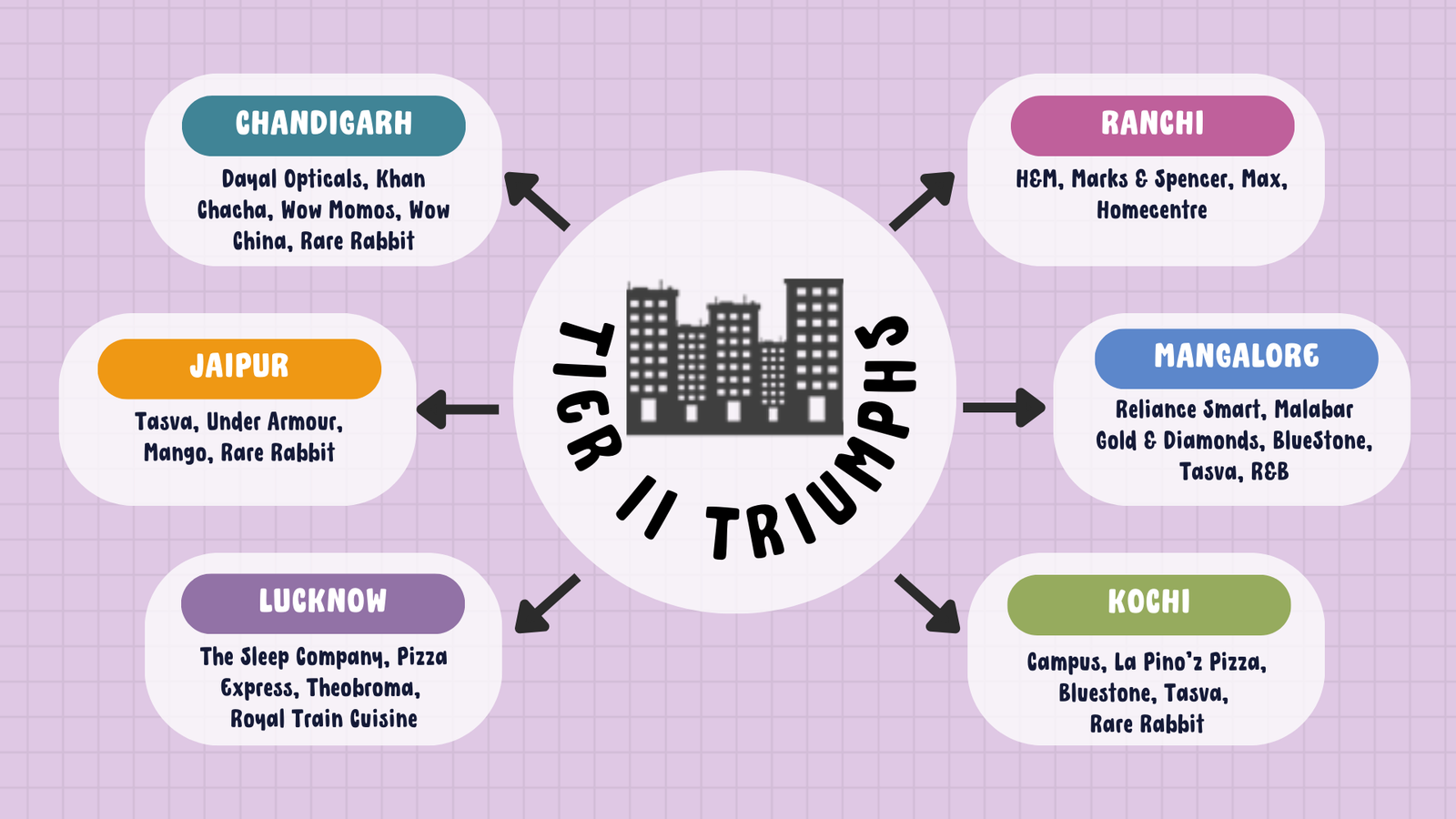
Picture an entrepreneur in a Tier 3 city bringing a proven, popular metro-city food brand franchise to their town before competitors think to — being first to introduce a genuinely wanted concept can create strong early customer loyalty.
Understanding Local Purchasing Behavior
Small town customers often value personal relationships and trust more heavily than metro customers who are used to anonymous, transactional shopping.
- Build genuine local relationships rather than purely transactional interactions
- Word-of-mouth carries significant weight in tighter-knit small town communities
- Local festivals and community events offer strong marketing opportunities
[link to related guide on low investment business ideas here]
FAQ
Q1. Are business ideas for small towns less profitable than metro city businesses? Not necessarily — lower operating costs and less competition can actually lead to comparable or better profit margins despite lower price points.
Q2. What’s the biggest challenge of starting a business in a Tier 2 or Tier 3 city? Access to skilled talent and certain supply chain logistics can be more challenging compared to metro cities, requiring more planning around these specific gaps.
Q3. Do small town businesses need less capital to start? Generally yes, since rent, salaries, and other operating costs tend to be significantly lower than in metro cities, though this varies by specific business type.
Q4. Can digital marketing work effectively for small town businesses? Yes, especially since many local competitors lack any digital presence at all, making it easier to stand out with even basic digital marketing efforts.
Q5. Which small town business ideas have the fastest growth potential? Digital services for local businesses and organized retail tend to show strong growth potential given the significant existing gaps in most smaller towns.
Q6. Is it harder to find funding for small town businesses? It can be slightly more challenging with fewer nearby banks or investors, though government schemes specifically targeting small town and rural entrepreneurship help address this gap.
Conclusion
These business ideas for small towns prove that significant opportunity exists well beyond metro cities, especially for entrepreneurs willing to genuinely understand and serve their local community’s specific needs. Research your own town’s gaps honestly this week — the opportunity might be closer than you think.
Suggested Alt Text for Images:
- “Small town shop owner organizing retail store”
- “Local delivery service in Tier 2 city”
- “Coaching center classroom in small town India”